16 First-Time Mom Tips for the First Weeks
 By Rosie Hart • November 10, 2026
 Save
What's in this guide
- 1. Nap When Baby Naps
- 2. Say Yes to Help
- 3. Ask for Meals
- 4. Keep Drinks Close
- 5. Take Ten Quiet Minutes
- 6. Make Time for a Shower
- 7. Let in Fresh Air
- 8. Walk With a Friend
- 9. Get Outside Together
- 10. Share the Load
- 11. Cuddle Close
- 12. Get Comfy When You Hold Baby
- 13. Notice the Tiny Moments
- 14. Cuddle as a Family
- 15. Lean on Your People
- 16. Trust Your Instincts
- How to Use These First-Time Mom Tips in Your First Weeks
- FAQ
The first weeks with a newborn are a blur of feeding, diapers and very little sleep. Nobody hands you a manual, and every baby is a little different. That is why a few simple habits can make a big difference. If baby is not here yet, start with our hospital bag checklist.
These 16 first-time mom tips are practical and gentle, each paired with a photo. Pick two or three to try this week, and let the rest wait. You are learning too.
Short on time? Start here
- Easiest: Keep Drinks Close, since a mug within reach takes no effort.
- Biggest relief: Ask for Meals and Say Yes to Help.
- Best for your mood: Let in Fresh Air and Walk With a Friend.
1. Nap When Baby Naps
 Save
Sleep comes in small pieces with a newborn, so grab it when you can, even if it is just your cheek on a pillow and a gray-blue duvet tucked under your arm for twenty minutes. Dishes and laundry will still be there later.
How to do it
- Rest when baby sleeps, even for twenty minutes
- Keep the room dim and cool
- Put your phone on silent
- Ask your partner to take a shift
Best for: Any day you feel wiped.
Try this: Put a blanket and a pillow by the sofa, so a nap is easy. For baby, the AAP advises placing baby on their back, alone, on a firm flat surface with no pillows or loose blankets, in your room but not your bed.
2. Say Yes to Help
 Save
When someone offers help, say yes. A grandparent settled in a big recliner with baby on his lap, like this grandpa, gives you a free half hour. A grandparent, aunt or friend can hold baby while you eat, shower or rest.
How to do it
- Name a specific job, like folding laundry
- Let helpers hold baby while you rest
- Skip the guilt, since people love to help
Best for: The first two weeks.
Try this: Keep a short list of tasks on the fridge for anyone who asks.
3. Ask for Meals
 Save
Food is a great way for loved ones to help. Imagine someone handing you a warm bowl of noodles with eggs and greens, already made. A meal train or a few friends dropping off dinner saves you hours.
How to do it
- Share a link to a shared sign-up page
- Tell people about any allergies
- Ask for meals that reheat well
- Keep disposable containers on hand
Best for: The first month.
Try this: Ask people to leave the food on the porch if you are resting.
4. Keep Drinks Close
 Save
It is easy to forget to drink when you are busy. A big yellow mug in your hand, like this one, is a good reminder. Keep a mug or bottle in the places you sit most. Ask your doctor or midwife what is right for you, especially around caffeine.
How to do it
- Fill a big bottle each morning
- Put a drink by your feeding chair
- Pair a sip with every diaper change
Best for: Staying comfortable all day.
Try this: Use a lid so a bump from baby does not spill it.
5. Take Ten Quiet Minutes
 Save
A few quiet minutes can reset your day, like a cup of tea beside two open books and white flowers. Read a page, sip something warm or sit in silence while someone else watches baby.
How to do it
- Set a timer for ten minutes
- Pick one small joy, like tea or a book
- Hand baby to a trusted adult
Best for: Evenings after a long day.
Try this: Keep a book by your bed instead of your phone.
6. Make Time for a Shower
 Save
A shower can make you feel human again, and so can ten minutes on the sofa in a robe with your hair in a towel. Ask your doctor or midwife what is right for your recovery, and take it slowly. These postpartum recovery tips have more small ways to rest and heal.
How to do it
- Ask your partner to hold baby
- Use a simple routine that takes minutes
- Put on something soft and clean afterward
Best for: Mornings.
Try this: Keep a robe on a hook by the bathroom door.
7. Let in Fresh Air
 Save
Fresh air and daylight can lift your mood. Throwing open the doors to the morning light is a small reset. Open a window, sit on the porch or step into the yard for a few minutes.
How to do it
- Open a window in the morning
- Sit near natural light
- Take baby to the door or porch
Best for: Slow mornings.
Try this: Drink your tea by an open window.
8. Walk With a Friend
 Save
A short walk with a friend gets you moving and talking. A leafy path and a stroller are all you need. Ask your doctor or midwife when you can start gentle exercise after birth.
How to do it
- Pick a flat, short route
- Bring water and a snack
- Go at your own pace
- Skip it on days that feel too hard
Best for: Mood and company.
Try this: Set a regular day and time so you both show up.
9. Get Outside Together
 Save
A family stroll is easy and free, and it gets everyone out of the house. Dress for the weather and keep it short.
How to do it
- Walk after dinner
- Let the toddler or baby set the pace
- Keep a sling or stroller ready
Best for: Getting out of the house with baby.
Try this: Turn it into a daily routine.
10. Share the Load
 Save
You and your partner are a team, so split the work, the same way you both lean in over that tiny swaddled face. If you do not have a partner, a parent, sibling or friend can fill that role. Partners can find more ideas in these pregnancy tips for dads.
How to do it
- Divide night shifts
- Share diaper and laundry jobs
- Talk about what is working
- Say thank you
Best for: Every family.
Try this: Check in each evening for five minutes.
11. Cuddle Close
 Save
Close time helps you bond and often soothes baby. A nose-to-cheek moment with baby on your shoulder counts. Ask your care team about skin-to-skin contact.
How to do it
- Hold baby close, one-on-one
- Slow down and breathe
- Talk or sing softly
Best for: Bonding and comfort.
Try this: Take one phone-free cuddle each day.
12. Get Comfy When You Hold Baby
 Save
You will spend hours holding baby, so set yourself up. Use pillows and a chair with arm support, and ask a lactation consultant or your pediatrician about feeding positions.
How to do it
- Put a pillow under your elbow
- Sit with your back supported
- Keep water and snacks within reach
Best for: Long feeding or cuddle sessions.
Try this: Set up two comfy spots in your home.
13. Notice the Tiny Moments
 Save
These weeks go fast, so notice the little things, like tiny fingers wrapped around yours. Take a photo of tiny hands, jot down a first, or just look at your baby.
How to do it
- Take a photo each week
- Keep a small notebook
- Write down one sweet moment a day
Best for: Memories you will treasure.
Try this: Take photos near a window, where the light is soft.
14. Cuddle as a Family
 Save
A slow family cuddle costs nothing. Here two parents hold their baby between them outdoors, cheek to cheek, and that is the whole plan. Hold baby in your arms for cuddles, and put baby down on their back in their own sleep space when everyone gets sleepy.
How to do it
- Pick a quiet time with no phones
- Stay close and keep baby in view
- Step outside for a few minutes if the weather is nice
Best for: Slow weekend mornings.
Try this: Have someone take a photo of the three of you.
15. Lean on Your People
 Save
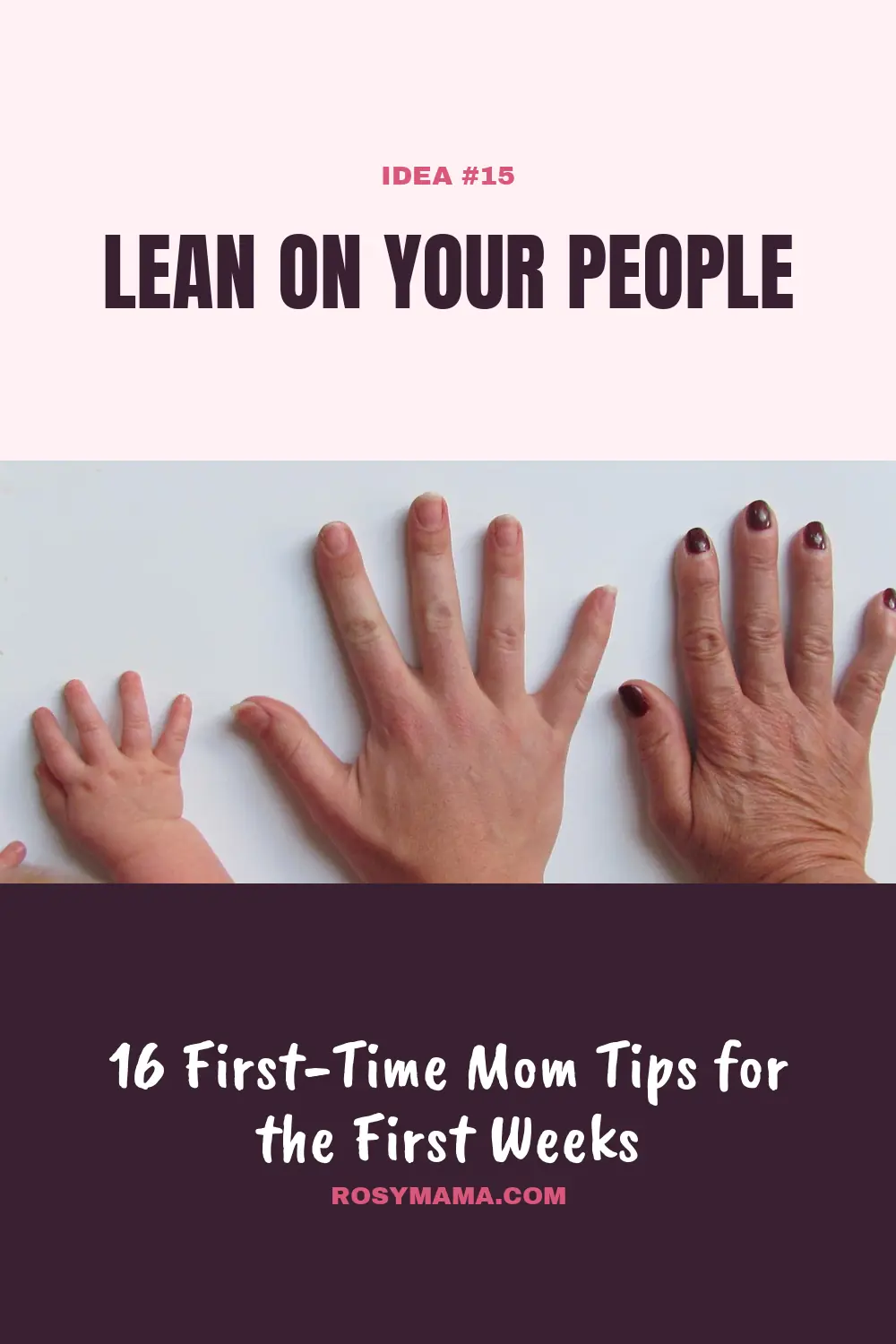
Family and friends have been through this too, across every generation. Call a mom you trust and ask honest questions. If you feel very low, anxious or overwhelmed, tell your doctor or midwife.
How to do it
- Text a friend who has kids
- Join a local new parent group
- Ask your doctor or midwife about anything that worries you
Best for: Hard days.
Try this: Put important phone numbers on the fridge.
16. Trust Your Instincts
 Save
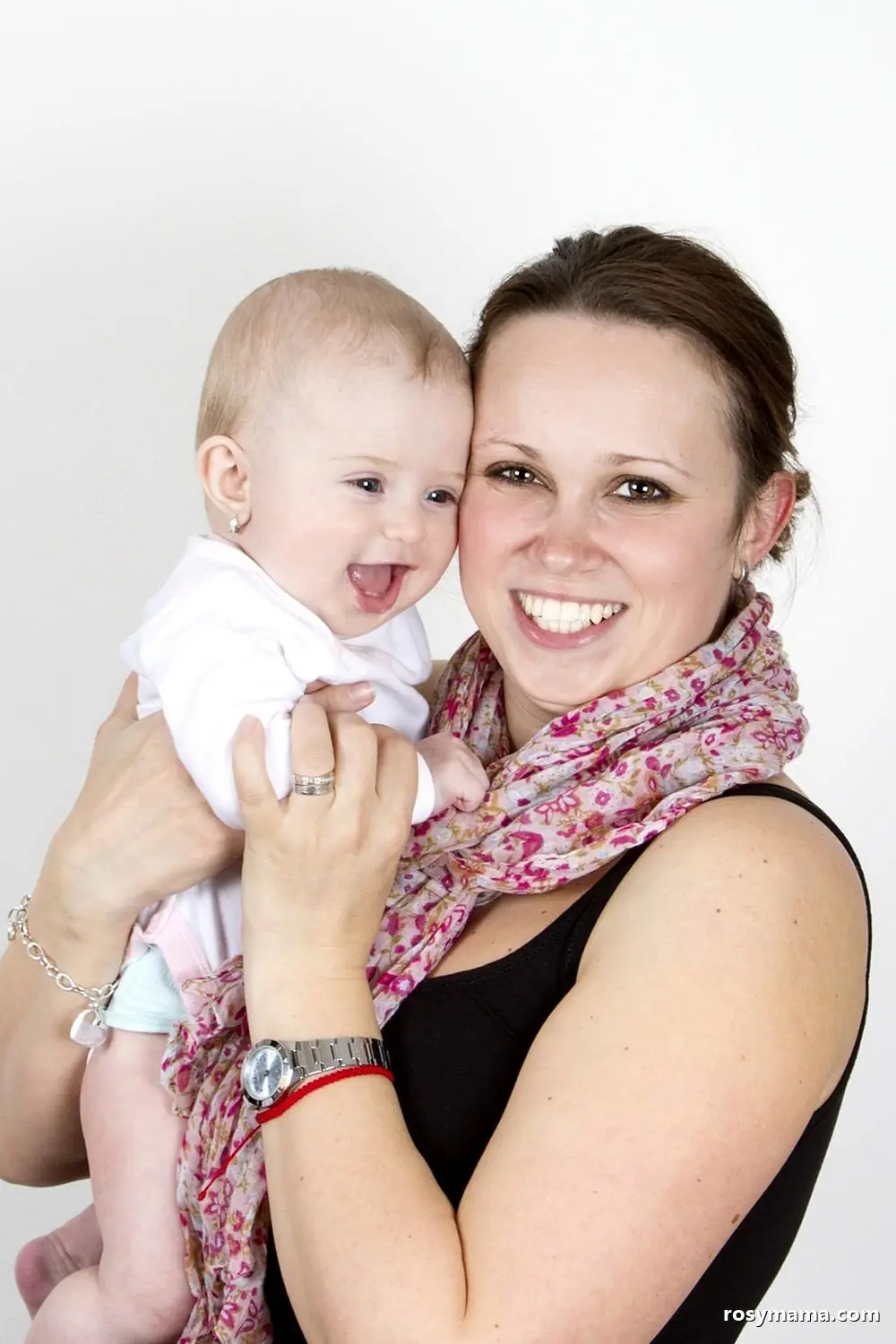
You know your baby better every day. Trust that, and ask your pediatrician about anything that feels off.
How to do it
- Write down questions between visits
- Notice what calms your baby
- Be kind to yourself on messy days
Best for: Building confidence.
Try this: At the end of the day, name one thing that went well.
How to Use These First-Time Mom Tips in Your First Weeks
You do not need a perfect plan. A few small steps can help the days feel smoother. Our nesting checklist covers what to set up before baby comes.
- Set up two comfy spots. One for feeding and one for resting.
- Stock easy food. Snacks you can eat one-handed are best.
- Line up help. Ask family and friends before baby comes.
- Keep numbers handy. Your doctor, midwife and pediatrician.
- Lower the bar. A clean-enough home and a fed baby is a good day.
| Moment | What helps |
|---|---|
| Morning | Water, fresh air, a quick shower |
| Afternoon | A nap, a short walk |
| Evening | Dinner someone else made, a quiet ten minutes |
If you have questions about recovery, feeding, sleep or your mood, ask your doctor, midwife or pediatrician.
When to call right away
- For you: get medical care right away (or call 911 in an emergency) for heavy bleeding, a fever of 100.4°F or higher, or thoughts of harming yourself or your baby (CDC Hear Her).
- For baby: call your pediatrician right away if a baby under 3 months has a temperature of 100.4°F or higher (AAP).
FAQ
What should a first-time mom do in the first weeks?
Rest when you can, eat and drink, and ask for help. Keep your doctor, midwife and pediatrician numbers handy.
How can I get more sleep with a newborn?
Nap when baby naps, share night shifts if you can and keep the room dim. For baby, the AAP advises back to sleep, alone, on a firm flat surface in your room but not your bed.
Is it normal to feel overwhelmed?
Many new moms do. If it feels like too much, talk to your doctor or midwife, since they can offer support.
How can friends help a new mom?
They can bring meals, fold laundry, hold baby while you rest or sit with you for a chat. Give them a specific task.
About Rosie Hart
A mom of two who writes about pregnancy style, celebrations and the everyday side of expecting, with health topics checked against trusted medical sources.
Learn more about Rosie →