18 Postpartum Recovery Tips Nobody Tells You About
 By Rosie Hart • November 11, 2026
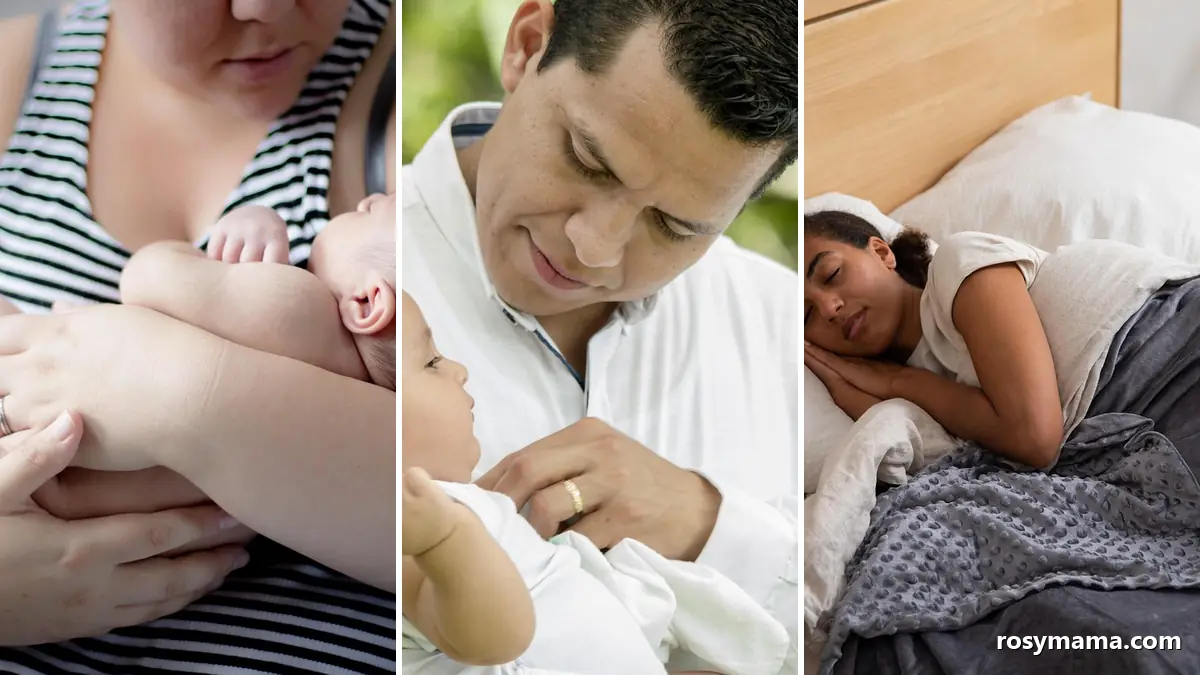 Save
What's in this guide
- 1. Slow Down and Stay Close to Baby
- 2. Hand the Baby to Your Partner
- 3. Nap Whenever You Can
- 4. Keep Water Within Reach
- 5. Eat Warm, Simple Meals
- 6. Fill the Freezer Before Baby Comes
- 7. Set Up a Bathroom Recovery Basket
- 8. Keep One-Handed Snacks Nearby
- 9. Take a Real Tea Break
- 10. Say Yes to Breakfast in Bed
- 11. Make Showers Feel Like a Treat
- 12. Let the House Stay Messy
- 13. Split the Night Shifts
- 14. Set Visitor Rules Early
- 15. Take Short Walks with a Bench Break
- 16. Keep the Holidays Small
- 17. Talk About How You Really Feel
- 18. Notice the Small Moments
- How to Use These Postpartum Recovery Tips at Home
- FAQ
Everyone tells you about the baby. Fewer people tell you about you: the sore body, the broken sleep, the meals you forget to eat and the feelings that come out of nowhere. The first weeks after birth can feel like a blur.
These postpartum recovery tips are the small, practical things that make those weeks easier. They cover rest, food, help from your partner, visitors and gentle time outside. This is not medical advice, so check with your doctor or midwife about anything that touches your body, pain, bleeding or exercise. For the bigger picture, our first-time mom tips are a good next read.
Short on time? Start here
- Easiest: Keep Water Within Reach takes one minute to set up.
- Biggest help: Hand the Baby to Your Partner so you can actually rest.
- Plan ahead: Fill the Freezer Before Baby Comes feeds you for weeks.
1. Slow Down and Stay Close to Baby
 Save
A mom in a striped tank sits back and holds her newborn close, the baby's cheek on her chest. Nothing else is happening, and that is the point. The first weeks are for healing and getting to know your baby, not for chores.
How to do it
- Pick one cozy spot on the couch or bed as your base
- Keep a pillow, a blanket and a burp cloth there
- Say no to plans that are not urgent
Best for: the first days home.
Try this: Tell people "we are staying in for now." It is a full answer. If you feel sleepy while holding your baby, put them on their back in the crib or bassinet. Falling asleep with a baby on a couch or armchair is risky (AAP).
2. Hand the Baby to Your Partner
 Save
Here a dad in a white shirt holds the baby in the crook of his arm and smiles down at the baby. Your partner can hold, burp, rock and change the baby. That time is a real break for you, so take it and leave the room.
How to do it
- Plan a daily "off" block when your partner has the baby
- Go to another room, not just the other end of the couch
- Let your partner do things their own way
Best for: any couple, from week one.
Try this: Share our pregnancy tips for dads with your partner before the birth so they know what helps.
3. Nap Whenever You Can
 Save
A woman in a cream tee naps on her side under a soft gray blanket, in a calm bedroom with white pillows. Night sleep will be broken for a while, so daytime rest matters. Even a short nap can help you feel more like yourself.
How to do it
- Nap while someone else watches the baby
- Use blackout curtains or an eye mask
- Put your phone in another room
Best for: the early weeks, when nights are short.
Try this: If you cannot sleep, lie down anyway with your eyes closed. Rest still counts.
4. Keep Water Within Reach
 Save
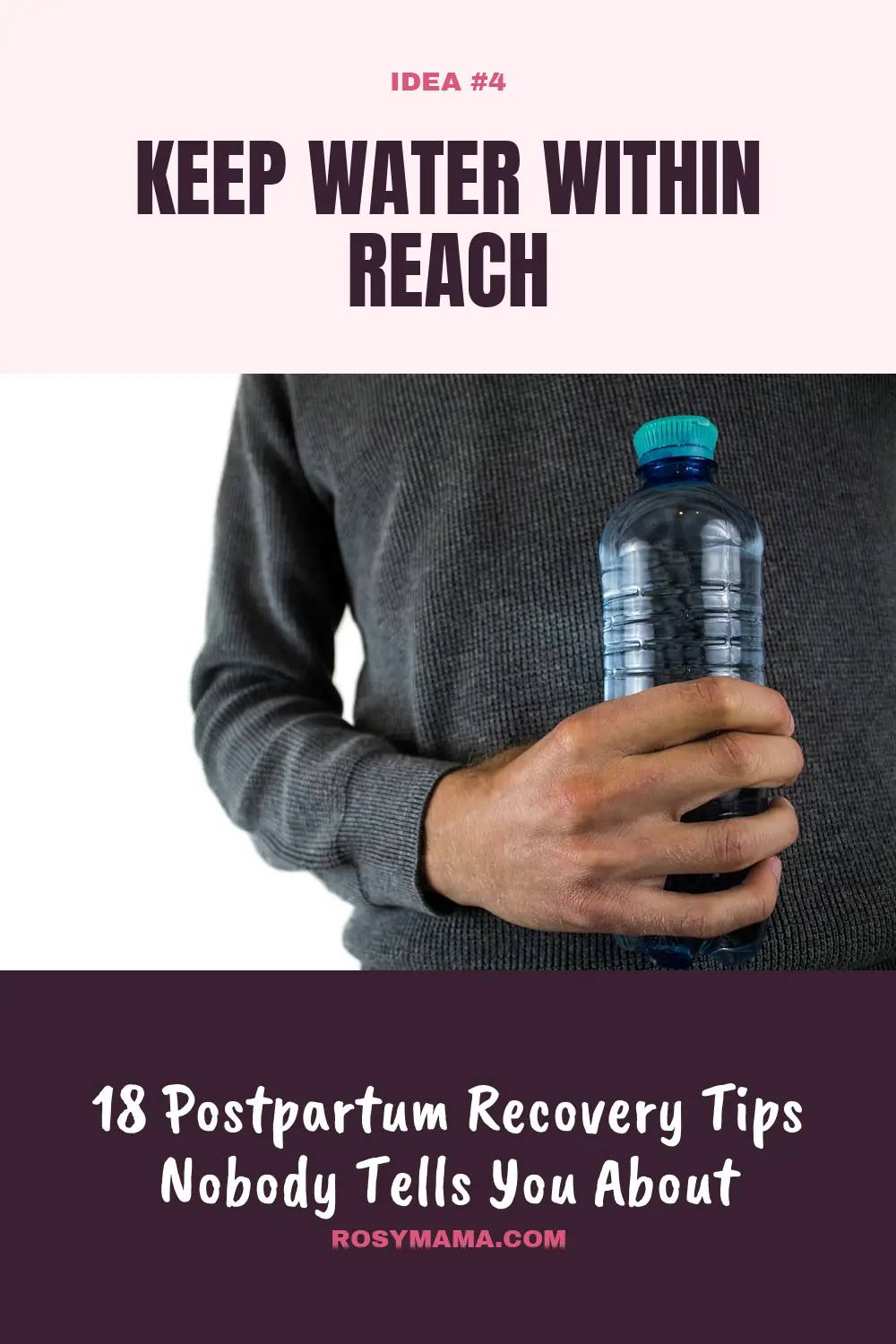
A simple bottle of water with a teal cap, held by a hand in a gray sweater. It is easy to forget to drink when you are feeding a baby around the clock. Put water everywhere you sit, and ask your partner to refill it.
How to do it
- One bottle by the bed, one by the couch, one in the car
- Choose a bottle you can open with one hand
- Add lemon or cucumber slices if plain water feels boring
Best for: feeding sessions, day and night.
Try this: Drink a few sips each time the baby starts to feed.
5. Eat Warm, Simple Meals
 Save
A white bowl of smooth tomato soup with chopped basil, a round loaf of bread and a bunch of fresh basil on the side. Warm, soft food is easy to eat with one hand and feels comforting. Soups, stews and rice bowls are all good choices.
How to do it
- Keep a few easy soups or stews ready to heat
- Add bread, beans or eggs to make it filling
- Eat from a mug if you need a free hand
Best for: lunch or dinner when cooking feels impossible.
Try this: Ask a friend to drop off soup instead of a gift.
6. Fill the Freezer Before Baby Comes
 Save
Clear containers packed with wraps, sandwiches and cherry tomatoes, ready to grab. Cook a double batch in late pregnancy, eat one and freeze one. Future you will be so grateful.
How to do it
- Freeze soups, chili, casseroles and breakfast burritos
- Use flat freezer bags or stackable containers so they thaw fast
- Label each one with the name and date
Best for: the last weeks of pregnancy.
Try this: Make a list of what is in the freezer and tape it to the fridge door.
7. Set Up a Bathroom Recovery Basket
 Save
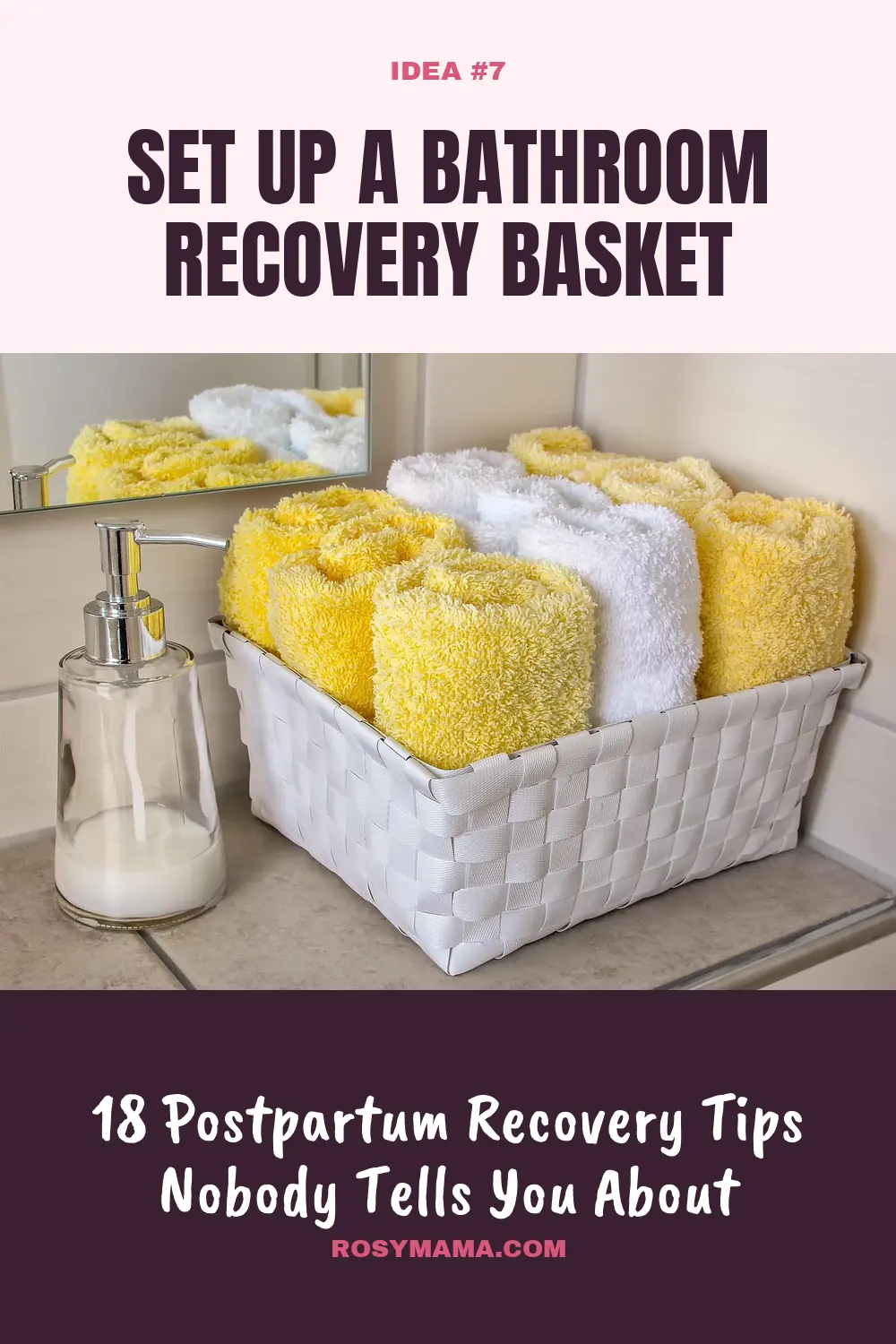
A white woven basket of rolled yellow and white washcloths sits by a clear soap pump. Set one up next to the toilet before the birth, so everything you need is in one place.
What to put in it (not shown)
- Pads and a few pairs of soft, comfy underwear
- A peri bottle, if your nurse or midwife suggests one
- Soft washcloths, gentle soap and a small trash bag
Best for: the first weeks after birth, vaginal or C-section.
Try this: Ask your nurse or midwife what to use for your body and your birth.
8. Keep One-Handed Snacks Nearby
 Save
Walnuts, tangerines, an apple and dried apple rings. These snacks need no cooking and you can eat them while holding a baby. Hunger can hit hard during night feeds, so keep a basket ready.
How to do it
- Fill a basket with nuts, dried fruit and granola bars
- Add easy-peel fruit like tangerines and bananas
- Keep one basket by the bed and one by the couch
Best for: night feeds. Feeling drowsy? Put the baby in the crib or bassinet first.
Try this: Many ideas from our pregnancy snacks list work just as well after birth.
9. Take a Real Tea Break
 Save
A yellow mug painted with blue roses, a tea bag string hanging over the side, two iced cookies and a stand of ripe pears. A warm drink and a quiet ten minutes can reset a hard afternoon.
How to do it
- Pick a pretty mug that is just for you
- Sit by a window while someone else has the baby
- Pair it with a snack you love
Best for: the mid-afternoon slump.
Try this: Ask your doctor or midwife which herbal teas are fine for you, especially if you are breastfeeding.
10. Say Yes to Breakfast in Bed
 Save
A wooden bed tray on white sheets holds a basket of apricots, orange juice and a warm cup, with an open book beside it. When someone offers to bring you food, say yes. Eating in bed means you rest a little longer.
How to do it
- Keep a lap tray by the bed
- Ask your partner or a guest to bring meals to you
- Add a glass of water to every tray
Best for: slow mornings in the first weeks.
Try this: Add toast with eggs or yogurt with fruit to stay full longer.
11. Make Showers Feel Like a Treat
 Save
She smiles with her eyes closed, wrapped in a fluffy white robe. A warm shower and a soft robe can make you feel human again. Take your time, and let someone else listen for the baby.
How to do it
- Keep a soft robe and clean pajamas by the bathroom
- Put a small stool in the shower if standing is tiring
- Use gentle, unscented soap
Best for: anytime you need a reset.
Try this: Ask your doctor or midwife what care you need for stitches or a C-section scar before you go in.
12. Let the House Stay Messy
 Save
A mom in a polka-dot blouse and jeans sits on a cozy window seat at home, her baby on her lap, and smiles down at the little face. The laundry can wait. The dishes can wait. Sitting down with your baby is the main job right now.
How to do it
- Pick one small task a day, or none
- Use paper plates for a few weeks
- Let visitors help with dishes or laundry
Best for: moms who feel guilty sitting down.
Try this: Make a "help list" on the fridge so guests can pick a chore.
13. Split the Night Shifts
 Save
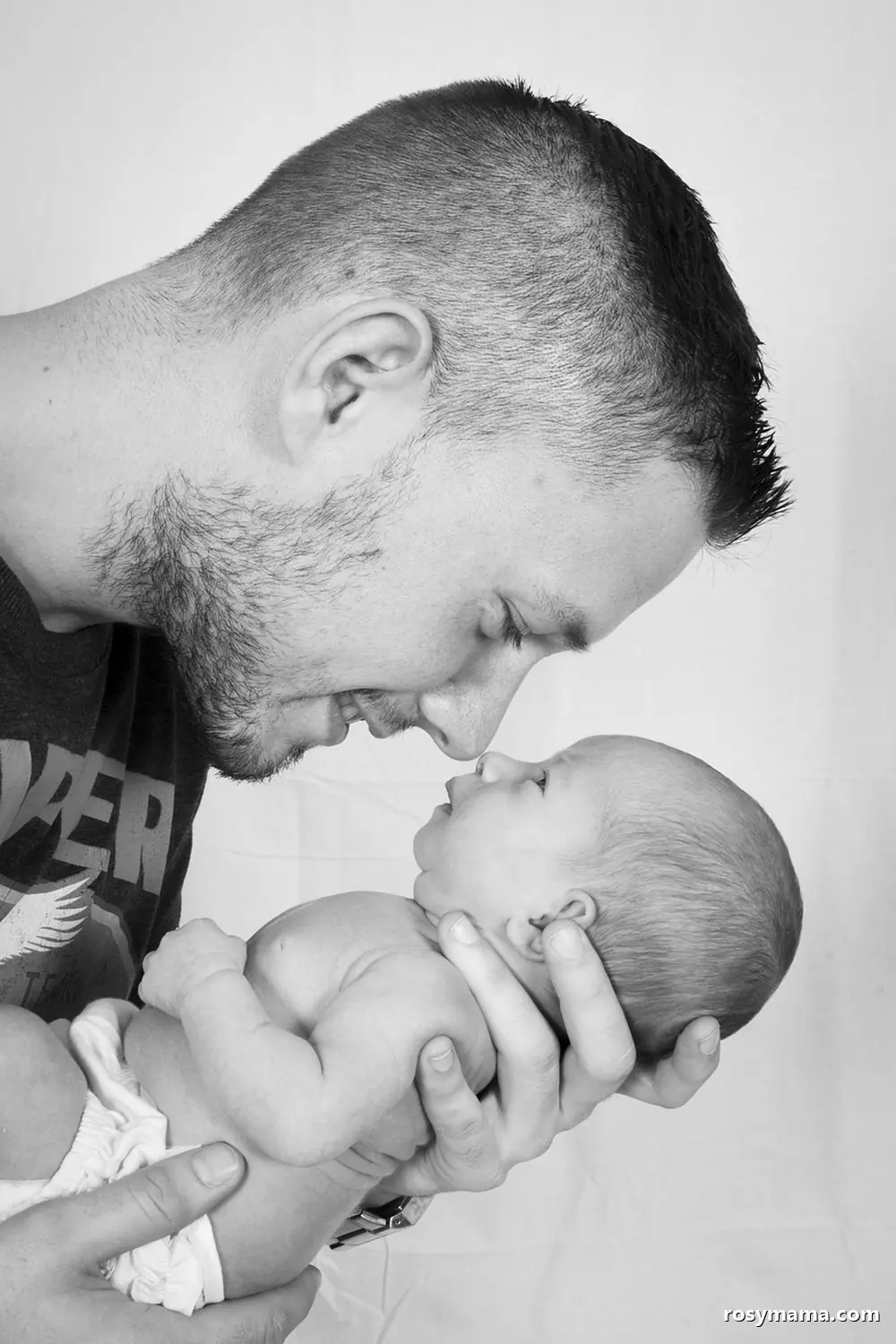
A dad touches noses with his newborn, holding the baby's head in his hand. Nights are easier when you are a team. One of you can sleep while the other handles a stretch of the night.
How to do it
- Agree on shifts before the baby is born
- If you breastfeed, your partner can handle burping and diaper changes
- The person off duty sleeps in a quiet room with earplugs
Best for: couples who both feel worn out.
Try this: Talk about the plan again after the first week, and change what is not working.
14. Set Visitor Rules Early
 Save
Two parents touch foreheads and smile, their newborn in a pink floral swaddle and a pink bow between them. These early moments are precious. You get to decide who visits and for how long.
How to do it
- Ask guests to text before they come
- Keep visits short, and say so up front
- Ask anyone who feels sick to wait
Best for: the first weeks at home.
Try this: Let your partner be the one who says "time to go" so you do not have to.
15. Take Short Walks with a Bench Break
 Save
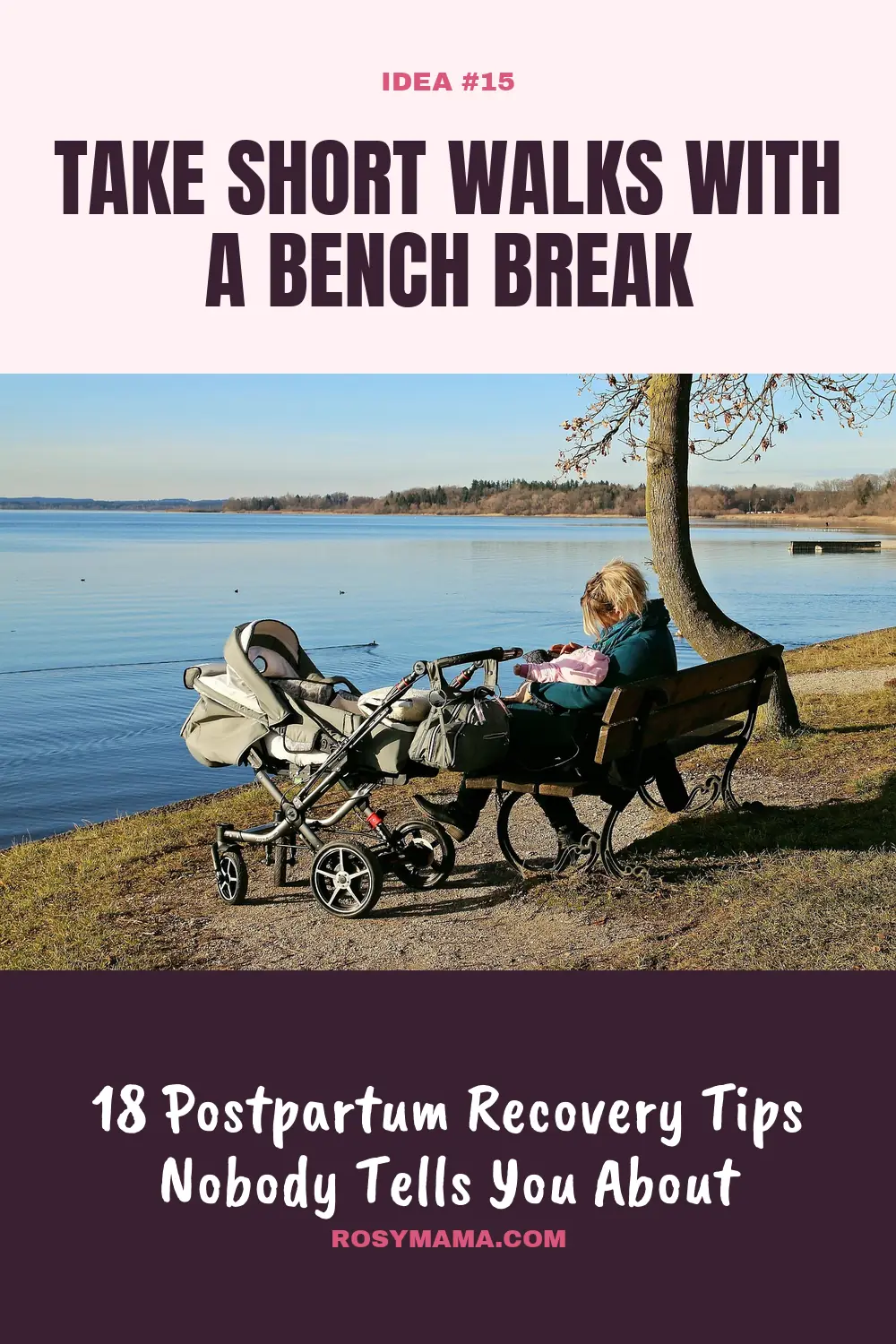
A mom in a teal coat sits on a bench by a calm lake, holding her baby in a pink snowsuit, with the stroller parked next to her. Fresh air and daylight can lift your mood. Keep walks short and slow, and sit whenever you want.
How to do it
- Start with a walk to the mailbox or end of the street
- Pick routes with benches
- Bring water and a snack
Best for: when your doctor or midwife says you are ready.
Try this: Ask your doctor or midwife when it is safe to walk farther or start exercise again.
16. Keep the Holidays Small
 Save
Red reindeer socks up on the coffee table, a mug in hand, a gray couch behind. If your baby arrives near Christmas, give yourself permission to skip the big plans. Feet up is a fine holiday tradition this year.
How to do it
- Host nothing, or let others host
- Shop online and use gift bags
- Pick one small tradition that matters to you
Best for: a baby born in late fall or winter.
Try this: Ask family to visit you in short shifts instead of you traveling.
17. Talk About How You Really Feel
 Save
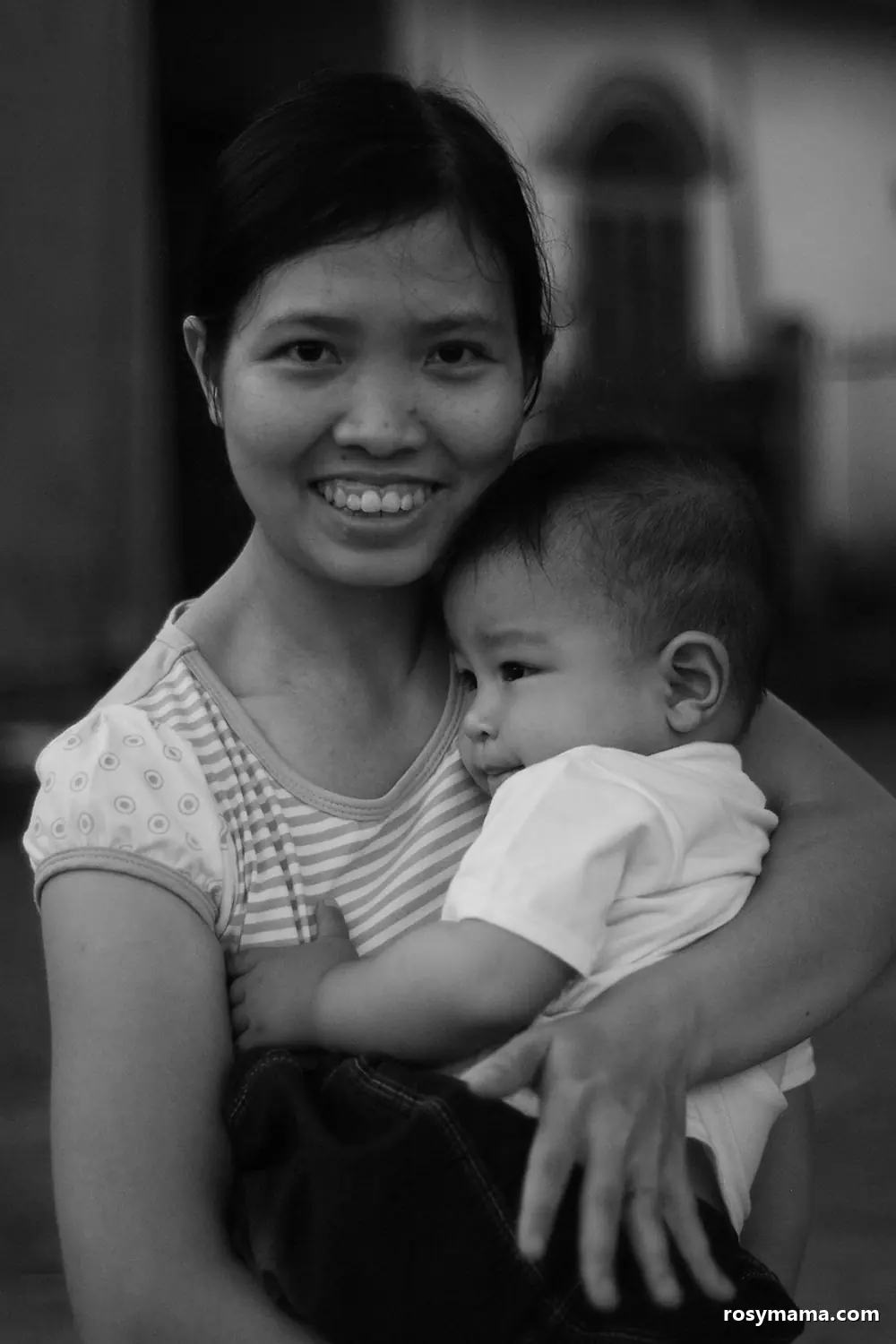
A mom in a striped tee smiles and holds her baby close against her shoulder. Big feelings after birth are common, from joy to tears to worry. You do not have to hold them in.
How to do it
- Tell your partner or a friend how your day really went
- Write a few lines in a notes app or journal
- Join a new parent group, in person or online
Best for: every new mom, every week.
Try this: If sadness, worry or scary thoughts do not ease, call your doctor or midwife. You can also call or text the National Maternal Mental Health Hotline at 1-833-TLC-MAMA (1-833-852-6262), free and 24/7. If you have thoughts of harming yourself or your baby, call or text 988 or call 911. You deserve support.
18. Notice the Small Moments
 Save
A mom in a black top holds her newborn up in a peach wrap, and they look right at each other. The days are long, but these little moments go fast. Pausing to notice them can make a hard day feel softer.
How to do it
- Take one photo a day
- Write down one sweet thing that happened
- Ask your partner to snap photos of you with the baby
Best for: tired days that need a lift.
Try this: Make a short phone album called "first month" and add to it each night.
How to Use These Postpartum Recovery Tips at Home
You do not need to do all 18 at once. Start with a few that fit your home and your support. Here is a simple way to set things up before the baby arrives.
| When | What to set up | Who can help |
|---|---|---|
| Late pregnancy | Freezer meals, snack baskets, a bathroom basket | Partner, friends, family |
| Before birth | Night shift plan and visitor rules | You and your partner |
| First days home | A cozy base spot, naps, breakfast in bed | Partner or a helper |
| First weeks | Short walks, tea breaks, small chores only | Anyone who visits |
| Every day | Talk about feelings, notice small moments | Partner, friends, your care team |
A few more tips:
- Pack for recovery too. Our hospital bag checklist covers comfy clothes and care items for the trip home.
- Write down questions. Keep a list for your postpartum checkup so you do not forget anything.
- Know when to call. Heavy bleeding, fever, bad pain, or feeling unable to cope are reasons to contact your doctor or midwife right away. Call 911 for chest pain, trouble breathing, a seizure or thoughts of harming yourself or your baby. The CDC keeps a full list of urgent maternal warning signs to know after birth.
FAQ
What helps postpartum recovery the most? Rest, simple food, water and real help from your partner or family make a big difference. Your doctor or midwife can tell you what your body needs, based on your birth.
How long does postpartum recovery take? It is different for everyone and depends on your birth and your health. Ask your doctor or midwife what to expect, and go to your postpartum checkup.
When can I start walking or exercising after birth? Many moms start with short, easy walks around the house. Check with your doctor or midwife before you walk longer or start a postpartum workout.
What should I eat after giving birth? Warm meals like soups and stews, oatmeal, fruit, nuts and plenty of water are easy choices. If you are breastfeeding or have special diet needs, ask your doctor, midwife or a dietitian.
About Rosie Hart
A mom of two who writes about pregnancy style, celebrations and the everyday side of expecting, with health topics checked against trusted medical sources.
Learn more about Rosie →