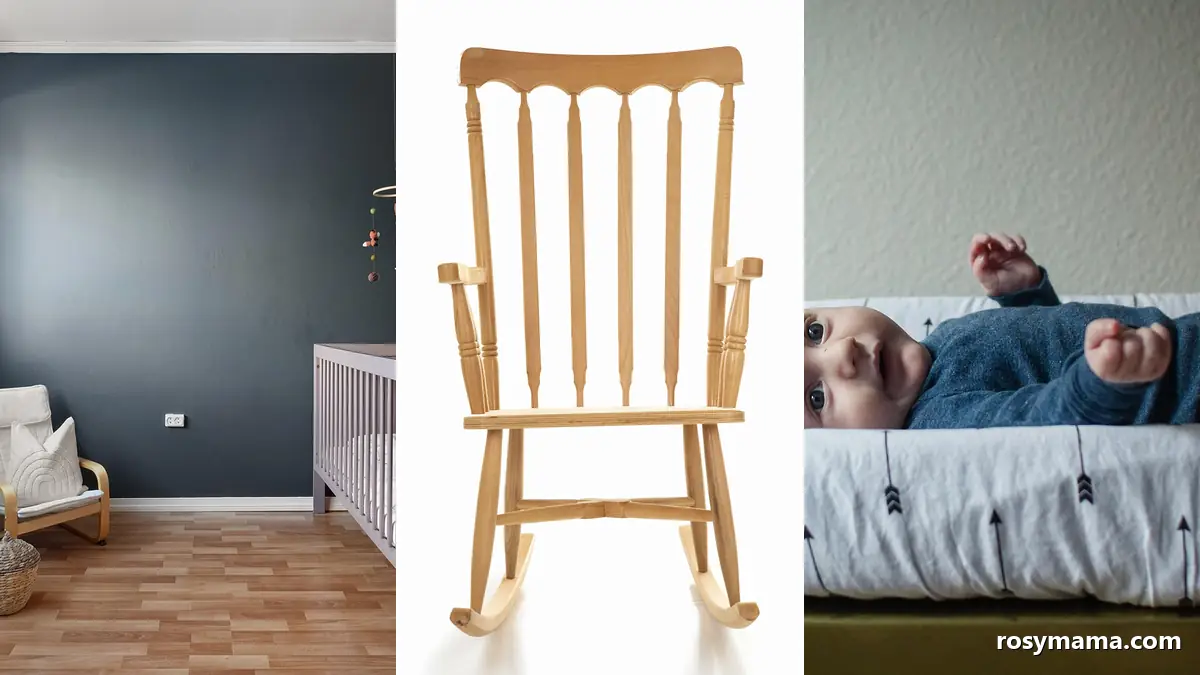
Nesting Checklist: 16 Things to Do Before Baby Comes
 By Rosie Hart • November 10, 2026
 Save
What's in this guide
- 1. Deep Clean the Floors
- 2. Stock the Cleaning Supplies
- 3. Paint the Walls
- 4. Wash Baby Clothes
- 5. Fold and Sort
- 6. Set Up the Crib
- 7. Create a Feeding Chair Corner
- 8. Set Up a Changing Station
- 9. Stash the Diapers
- 10. Add Baskets for Storage
- 11. Make Room in the Closet
- 12. Add a Soft Lamp
- 13. Hang a Name Sign
- 14. Start a Baby Bookshelf
- 15. Batch Cook Meals
- 16. Stock the Fridge
- How to Plan Your Nesting
- FAQ
Suddenly you want to scrub the baseboards at 10 p.m. and fold every tiny sock twice. That is nesting, and it is completely normal. The trick is to point that burst of energy at tasks that really help.
This nesting checklist gives you 16 things to do before baby comes, each with a photo. You do not need to do all of them. Pick the ones that make your home feel calm and ready, and let your partner or friends take the rest. Still shopping? Start with this baby registry checklist.
Short on time? Start here
- Easiest: Wash Baby Clothes, one small load and you are done.
- Biggest relief later: Batch Cook Meals, because dinner is hard in week one.
- Best to hand off: Paint the Walls. Ask your doctor or midwife first, and let someone else do the work.
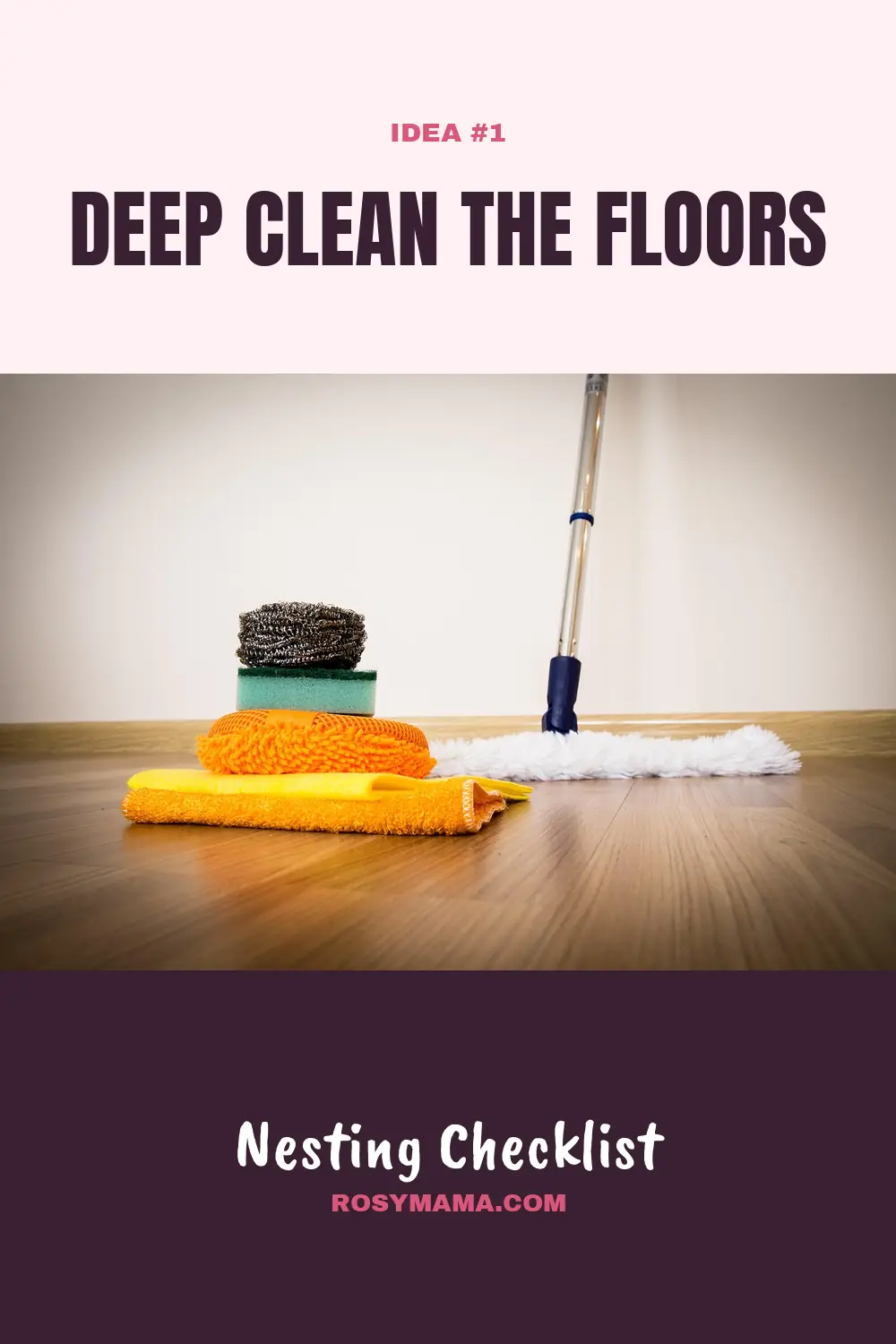
1. Deep Clean the Floors
 Save
Clean floors matter once a baby starts to crawl, but they also just feel good now. A flat mop, a couple of soft cloths and a scrubber are all you need. Start with the rooms you will use most.
What you need
- A flat mop or a vacuum
- Soft microfiber cloths
- A short list of rooms, so you do not overdo it
- A helper for heavy lifting or bending
Best for: Second and third trimester bursts of energy.
Try this: Clean one room per day and stop when you feel tired.
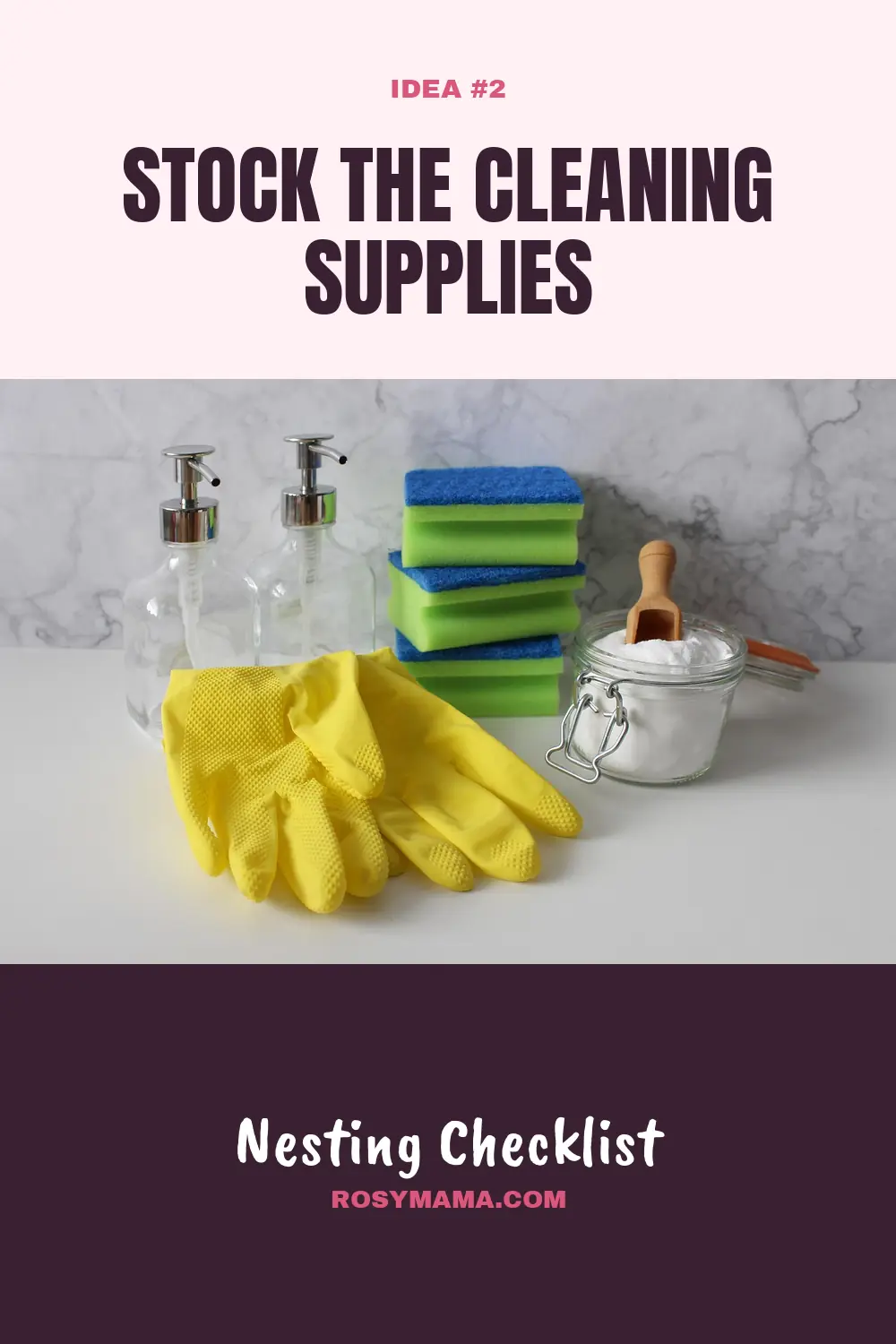
2. Stock the Cleaning Supplies
 Save
Having supplies ready means quick cleanups after baby arrives. Yellow gloves, pump bottles, a stack of green and blue sponges and a jar with a scoop make a simple starter kit. Check labels, and ask your doctor or midwife which cleaners are fine for you to use while pregnant.
What you need
- Rubber gloves
- Sponges and cloths
- Gentle, fragrance-free cleaners
- Refill bottles for the kitchen and bathroom
Best for: Making later cleanups fast.
Try this: Keep a small cleaning kit on each floor of your home.
3. Paint the Walls
 Save
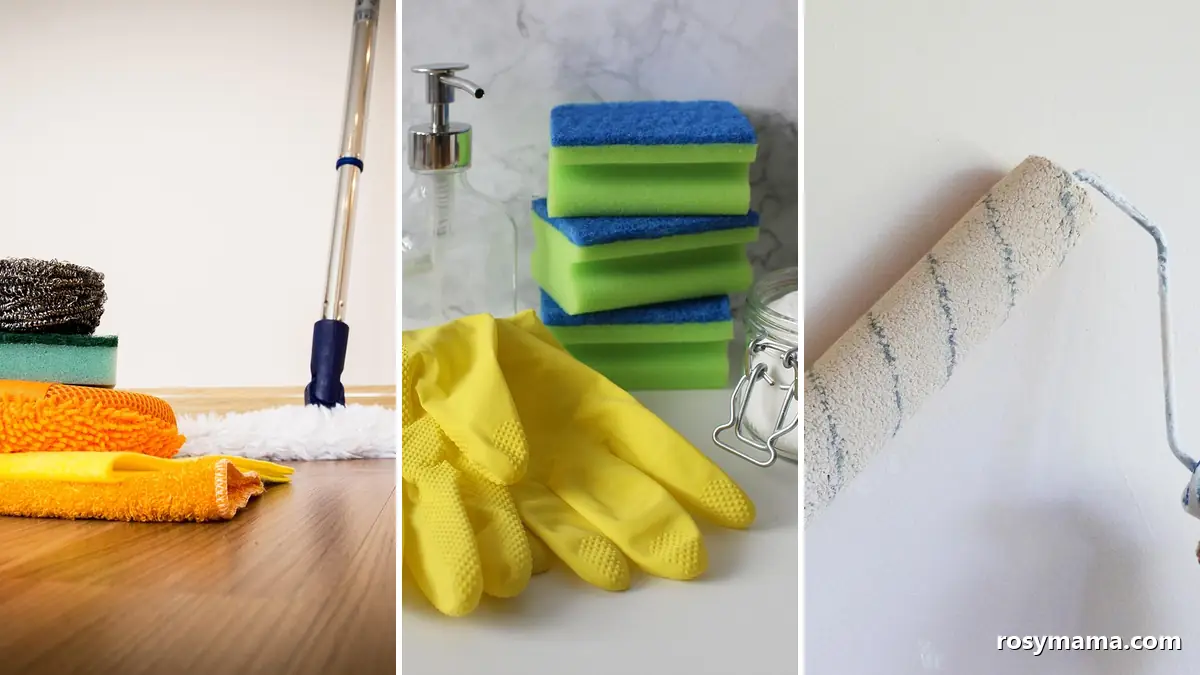
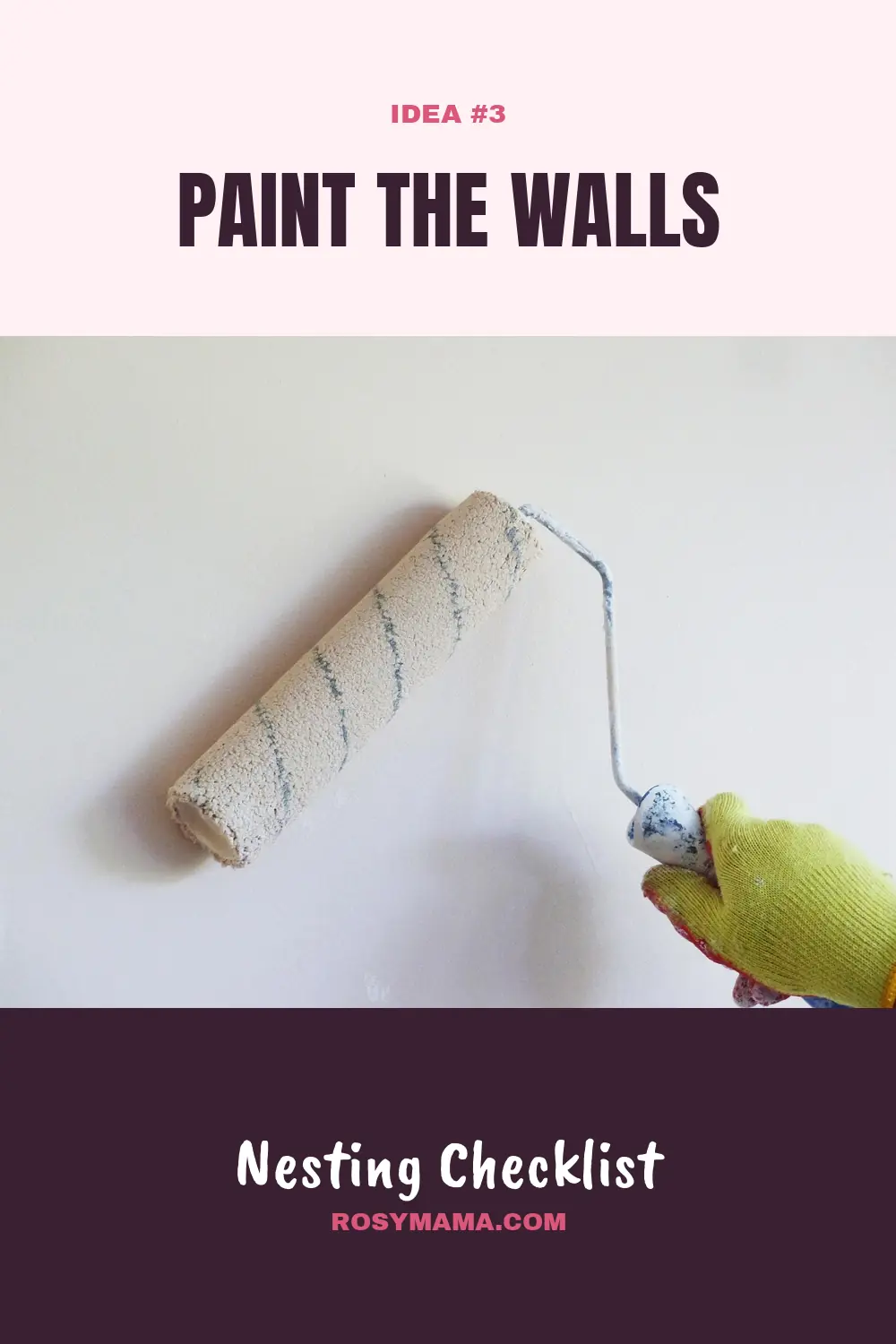
A fresh coat of paint changes a room fast, and a soft white like this one makes a small nursery feel bigger. Let a partner or friend do the painting, choose low-VOC paint, keep windows open, skip ladders, and stay out of the room until the smell is gone. Check with your doctor or midwife first.
What you need
- Paint and a roller
- Painter's tape and drop cloths
- Open windows and a fan
- A partner or friend to do the work
Best for: Early third trimester, painted by a helper.
Try this: Pick a soft, light shade so the room feels calm.
4. Wash Baby Clothes
 Save
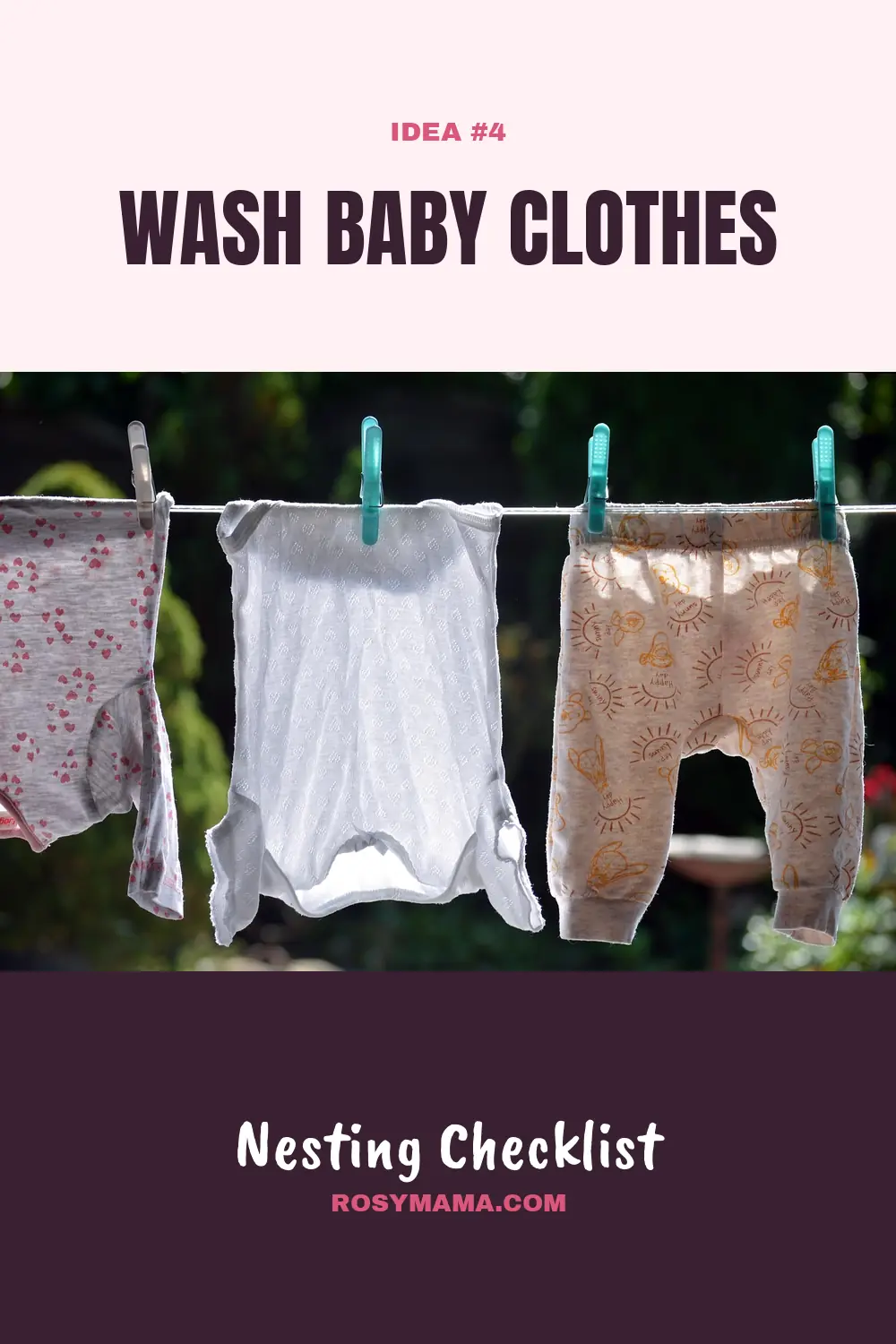
Newborn skin is delicate, so many parents wash new clothes first. A gray heart-print romper, a white bodysuit and patterned pants drying on a line is the cutest laundry you will ever do. Use a mild, fragrance-free detergent and ask your pediatrician if you have questions about skin.
What you need
- Mild, fragrance-free detergent
- A laundry basket just for baby
- A drying rack or clothesline
- Tags removed before washing
Best for: Any time in the third trimester.
Try this: Wash only newborn and 0 to 3 month sizes first, since they grow fast.
5. Fold and Sort
 Save
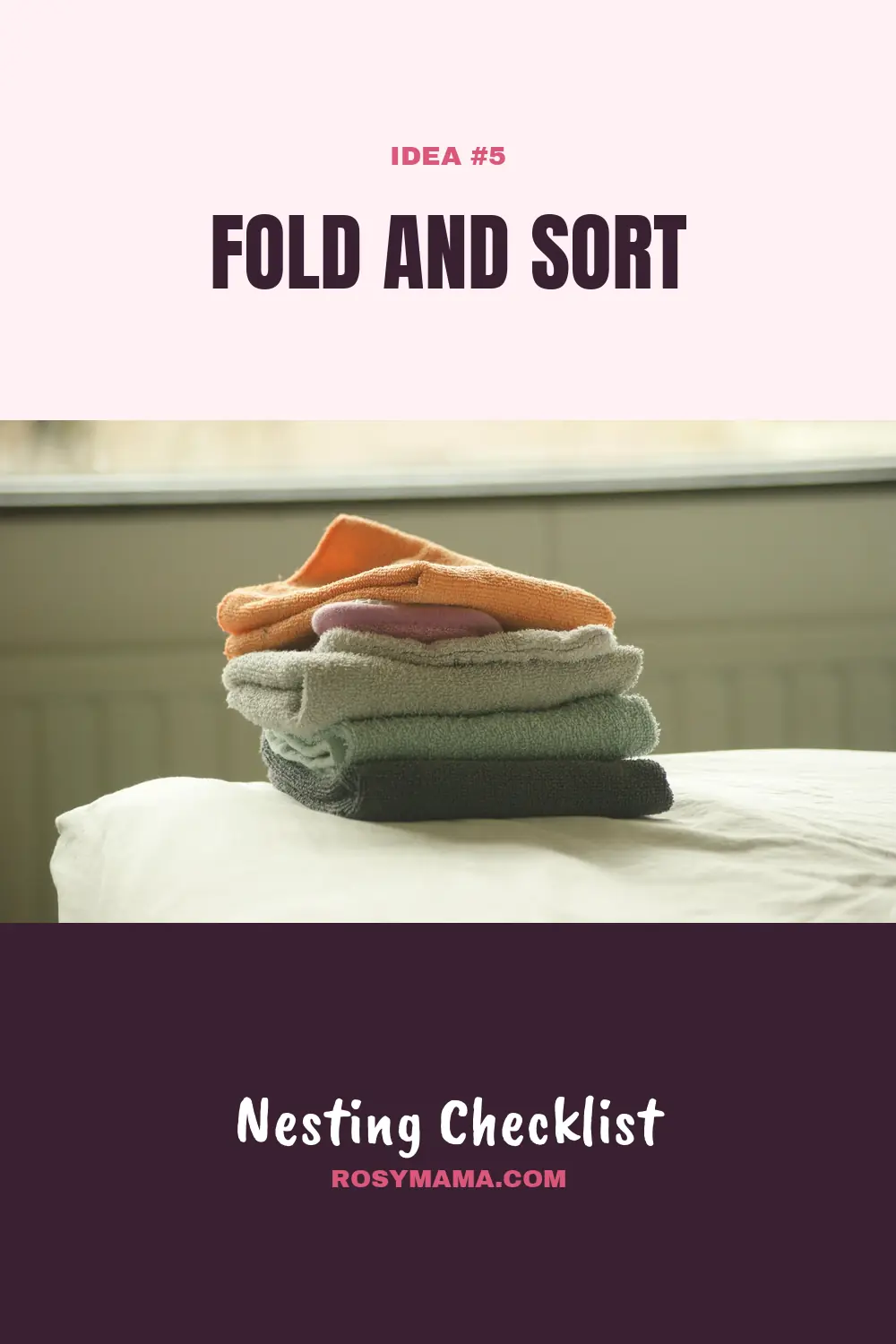
Once everything is clean, fold it into small, neat piles, the way these soft orange and gray-green towels are stacked. Sort by size and type, such as onesies, sleepers and blankets, so you can grab things at 3 a.m.
What you need
- A clean flat surface
- Labels or sticky notes
- Small bins or drawer dividers
Best for: A relaxing afternoon.
Try this: Put the smallest sizes on top and move the rest to the back.
6. Set Up the Crib
 Save
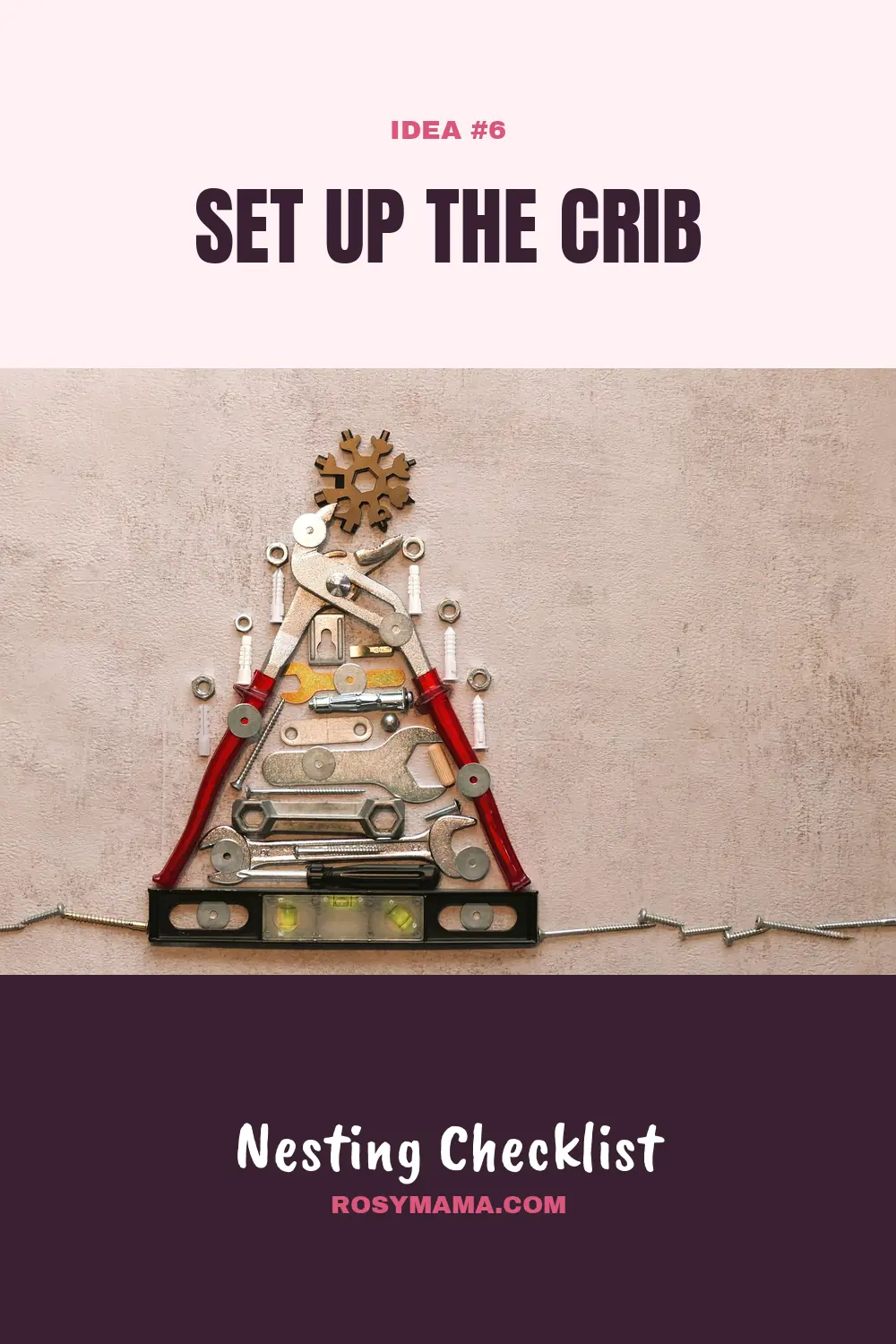
Building the crib is a big step that makes everything feel real. Lay out your tools first, the way these pliers, wrenches, screws and a spirit level are lined up here, so nothing goes missing halfway through. Better yet, hand the toolbox to your partner or a friend.
Keep the crib bare: a firm mattress and fitted sheet only, with no pillows, bumpers, toys or blankets. That is what the AAP safe sleep guide recommends. Check that the crib has not been recalled, especially if it is not new.
What you need
- The crib and its manual
- A screwdriver or tool kit
- A firm mattress made for that crib, plus fitted sheets
- A helper to lift and check every bolt
Best for: The seventh month, when you still have energy.
Try this: Build it a few weeks early so there is time to fix any missing parts.
7. Create a Feeding Chair Corner
 Save
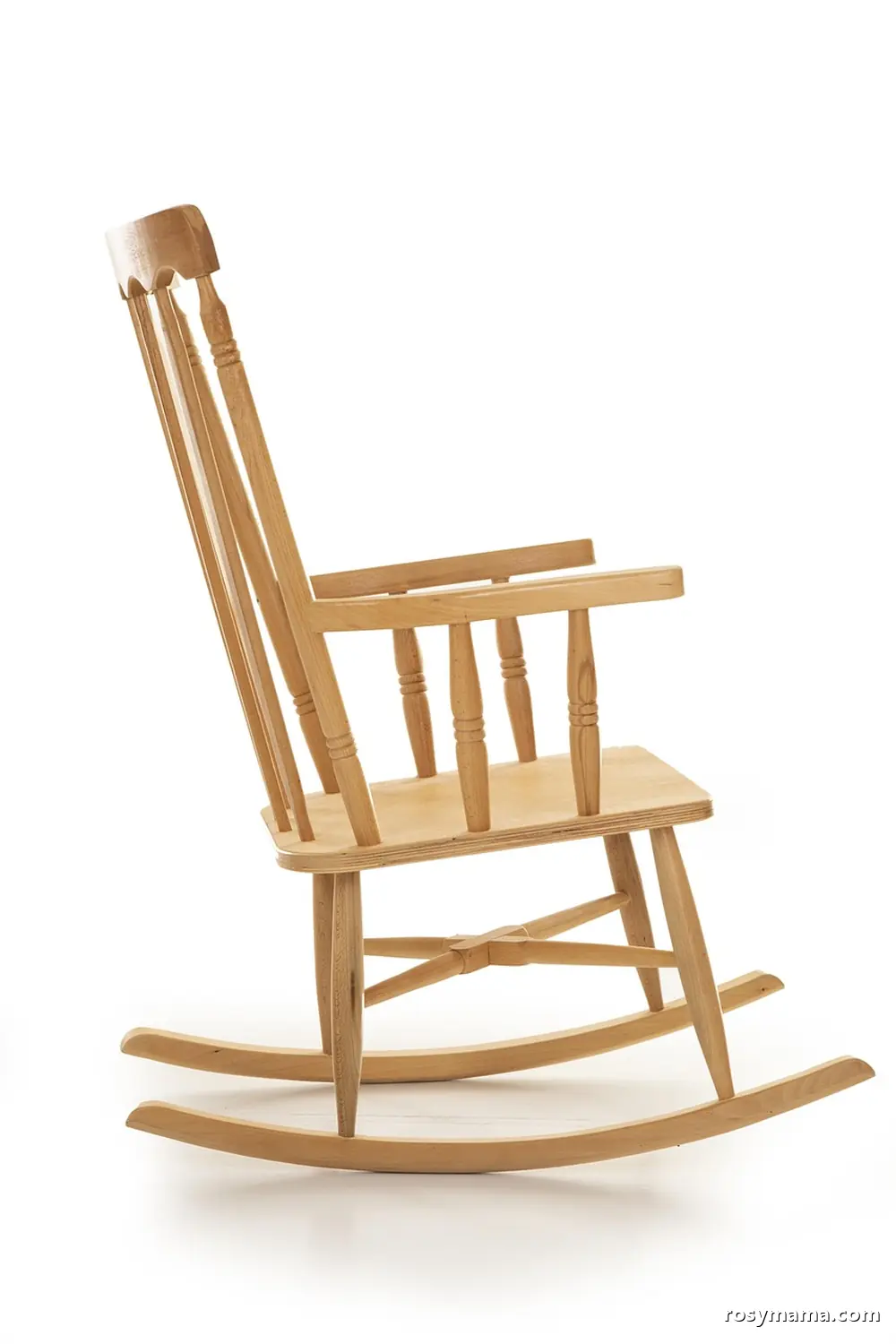
You will spend many hours in this seat, so it should be comfortable. A light wooden rocker with a tall spindle back and armrests, like this one, is a classic. Add a cushion for your back and a small table beside it for water and snacks.
What you need
- A comfy chair or rocker with arm support
- A seat cushion and a small pillow for your back
- A footstool
- A side table for a drink and phone
Best for: Feeding and late-night cuddles.
Try this: Sit in it for a few minutes before you decide where it goes.
8. Set Up a Changing Station
 Save
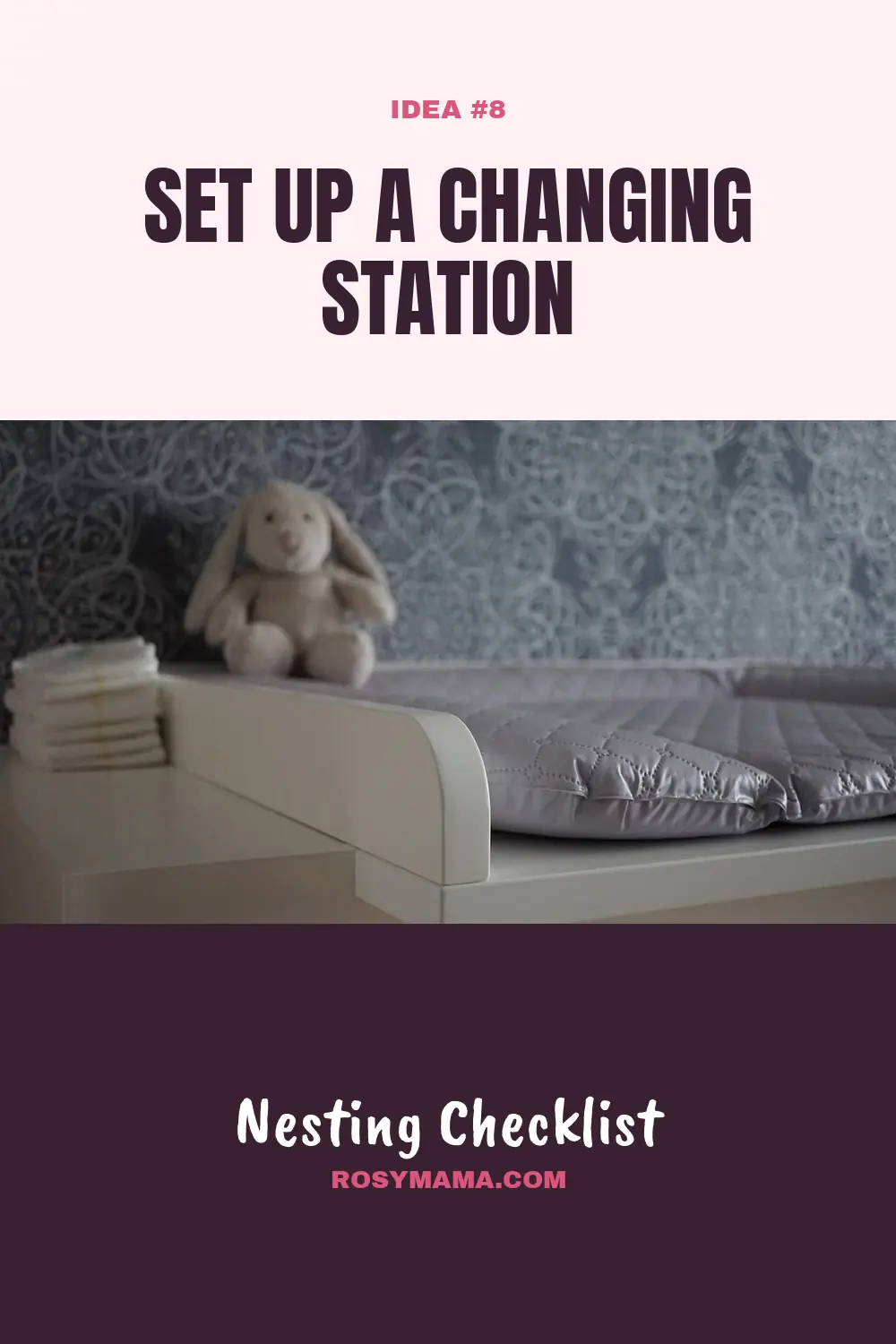
Put everything within one arm's reach. A white changing table with a gray quilted pad and a small stack of diapers is a tidy setup. Keep a hand on baby at all times, and follow the product's safety instructions.
What you need
- A changing pad on a sturdy surface
- Wipes and diaper cream in a small basket
- A spare outfit close by
- A small trash bin
Best for: Quick, middle-of-the-night changes.
Try this: Set up a second mini station in the living room.
9. Stash the Diapers
 Save
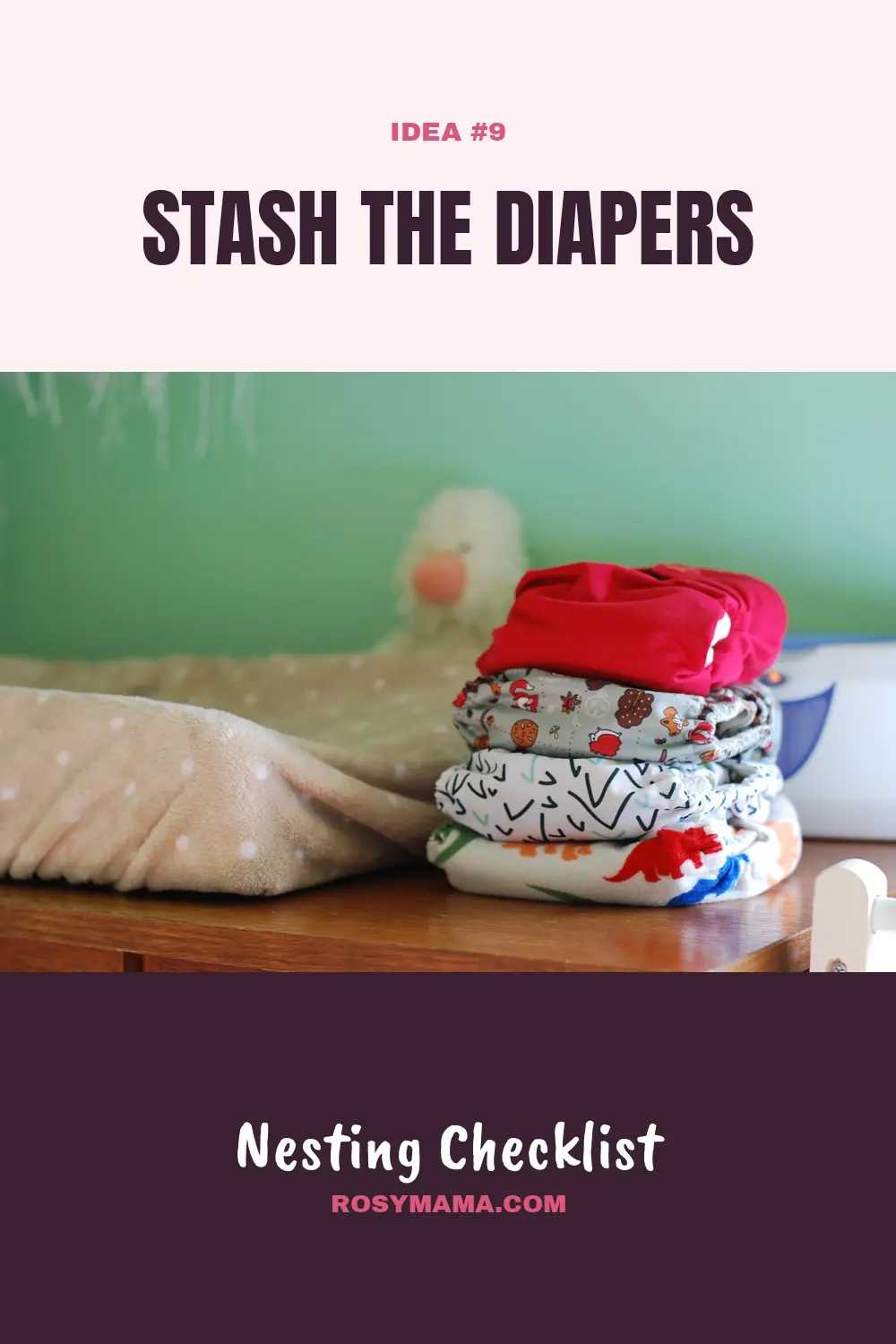
Newborns use a lot of diapers. Cloth ones in red and patterned prints, like this stack, are one option. Disposable or cloth, buy a small number at first, because sizes change fast.
What you need
- Newborn-size diapers of your choice
- A diaper pail or covered bin
- A zip bag for outings
Best for: The first few weeks.
Try this: Check what size fits before opening a big pack.
10. Add Baskets for Storage
 Save
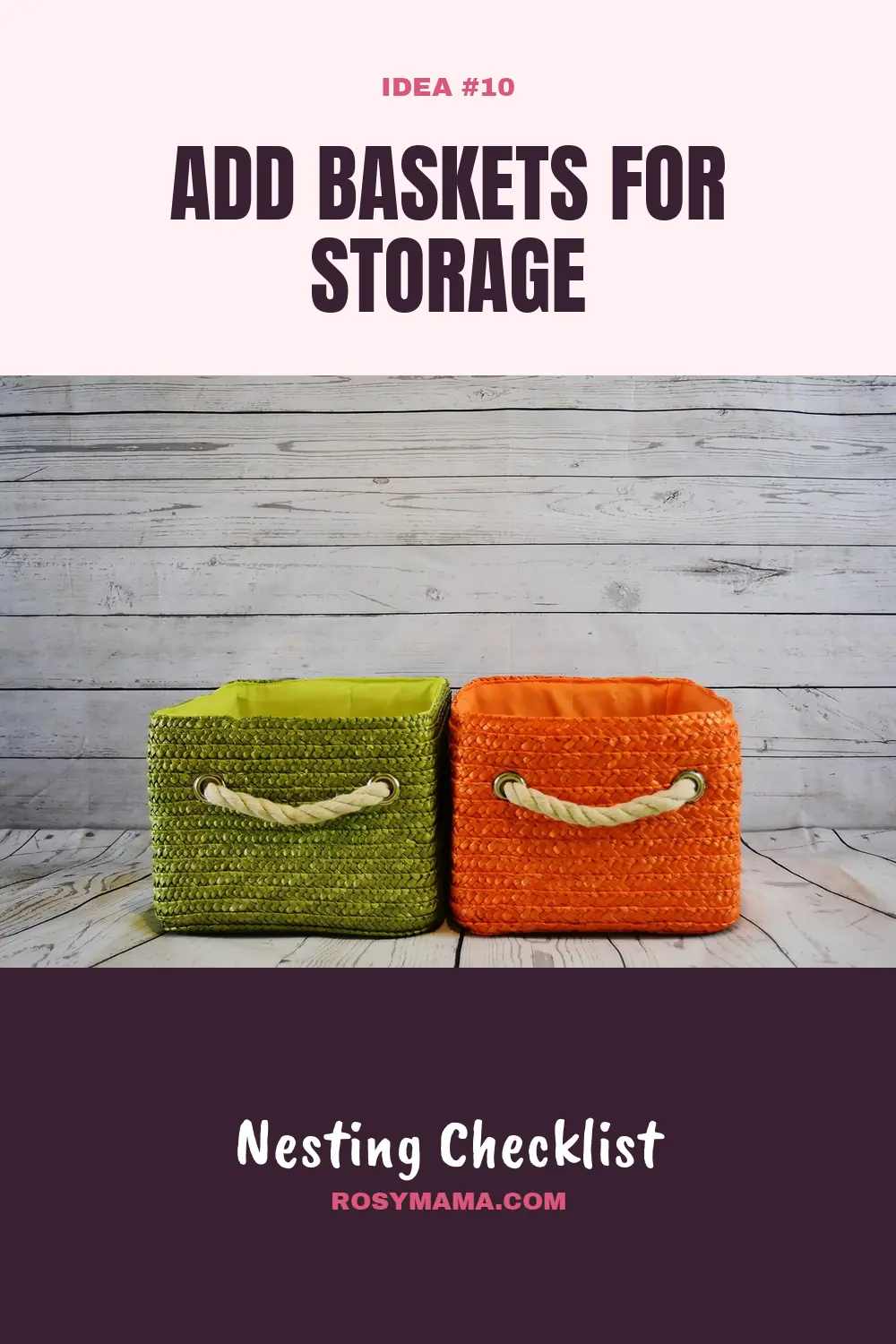
Baskets keep small things off the floor, and woven ones with rope handles look nice in any room. Use one for burp cloths, one for blankets and one for toys later.
What you need
- 2 or 3 baskets with handles
- Labels for what goes where
- A spot near the changing station
Best for: Small rooms.
Try this: Pick colors that match your nursery.
11. Make Room in the Closet
 Save
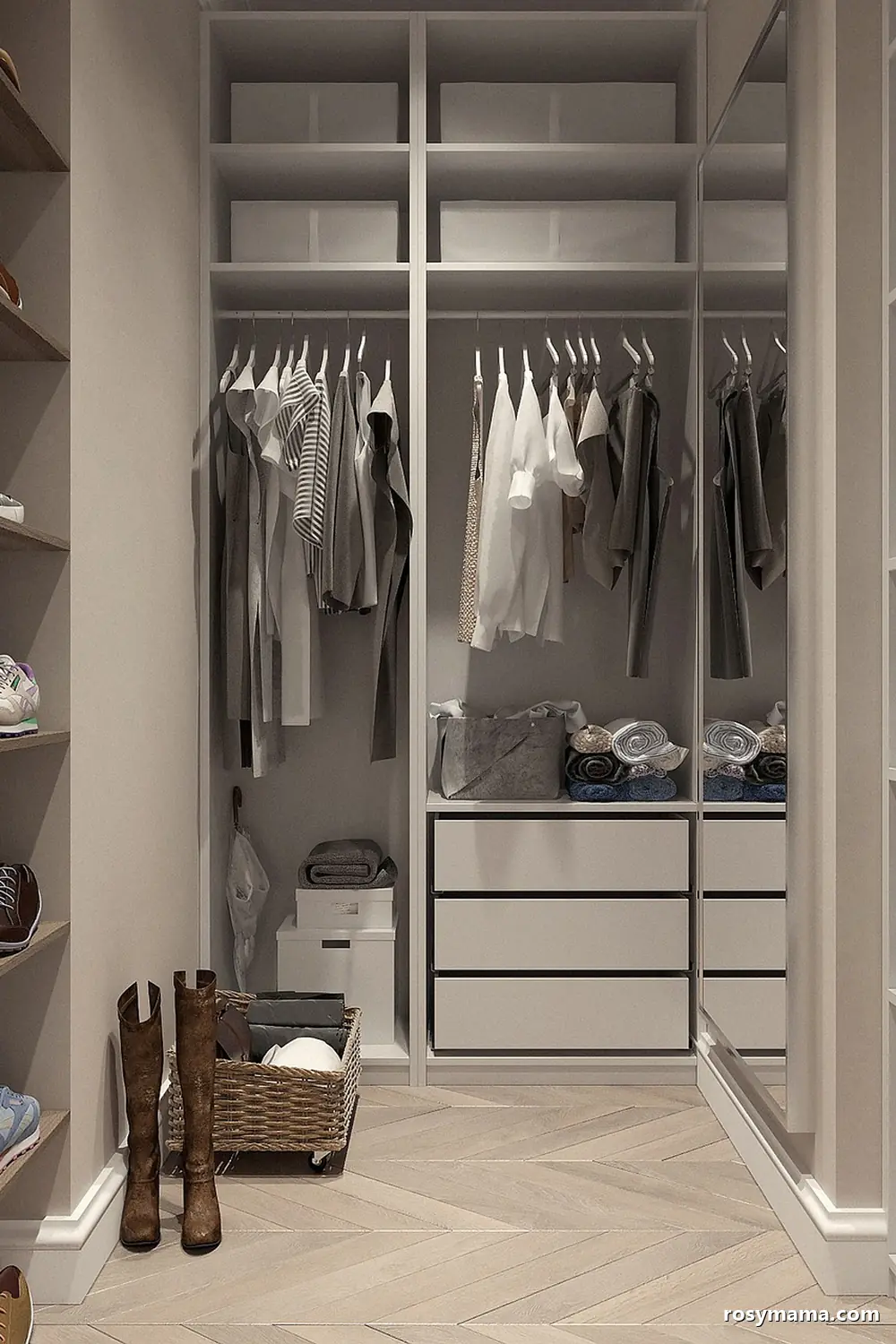
Babies bring a lot of stuff. Even a walk-in closet full of your own clothes and boots can spare one shelf or a rod for baby's things.
What you need
- Small hangers
- A drawer for baby's folded clothes
- A bag for things you will donate
Best for: Any home with limited space.
Try this: Hang outfits by size so the next size up is ready.
12. Add a Soft Lamp
 Save
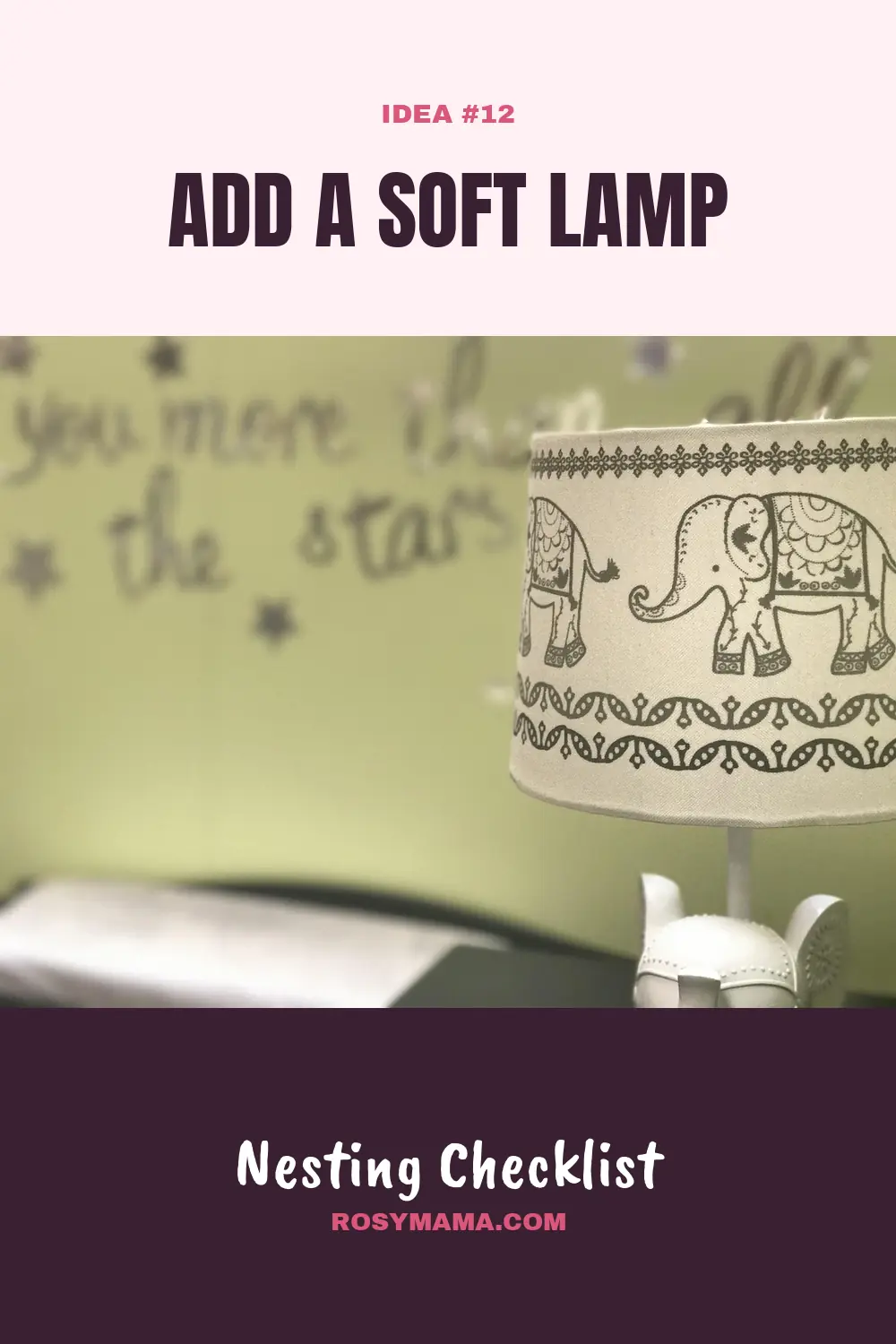
Bright overhead lights are hard on tired eyes. A small lamp with a sweet elephant-print shade fits a nursery well. A soft lamp lets you feed and change baby at night without waking everyone.
What you need
- A lamp with a warm bulb
- A dimmer or low setting
- A spot on a sturdy table, out of reach
Best for: Night feedings.
Try this: Choose a warm bulb, since cool light feels harsh.
13. Hang a Name Sign
 Save
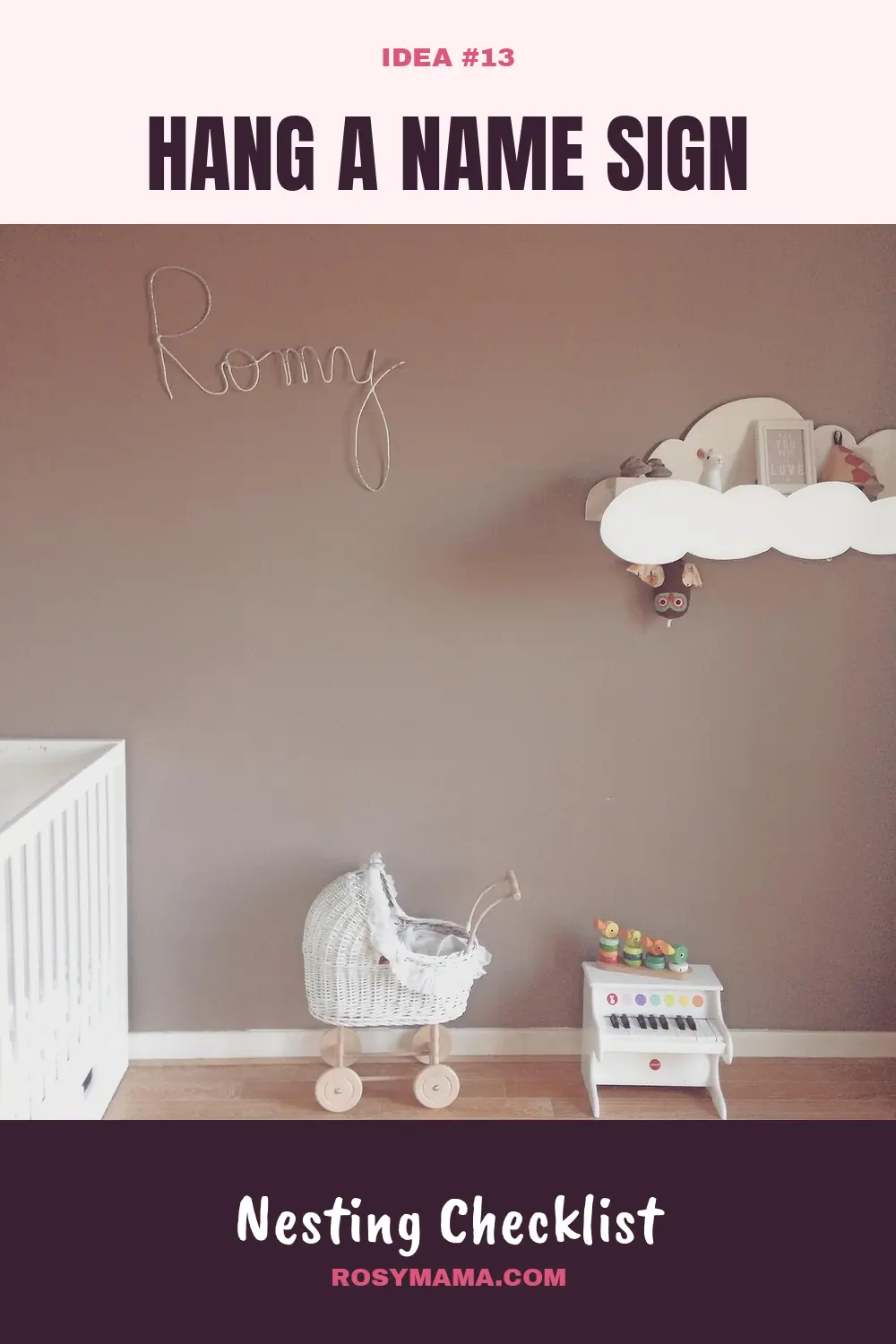
A little decor makes the room feel like theirs. In this mauve room, a wire name sign and a white cloud shelf do most of the work. Keep heavy items low and secure, and ask your partner to hang them.
What you need
- A name sign or small framed print
- A wall shelf that is anchored well
- A level and wall anchors
Best for: Making the room feel finished.
Try this: Start with one piece you love and add slowly.
14. Start a Baby Bookshelf
 Save
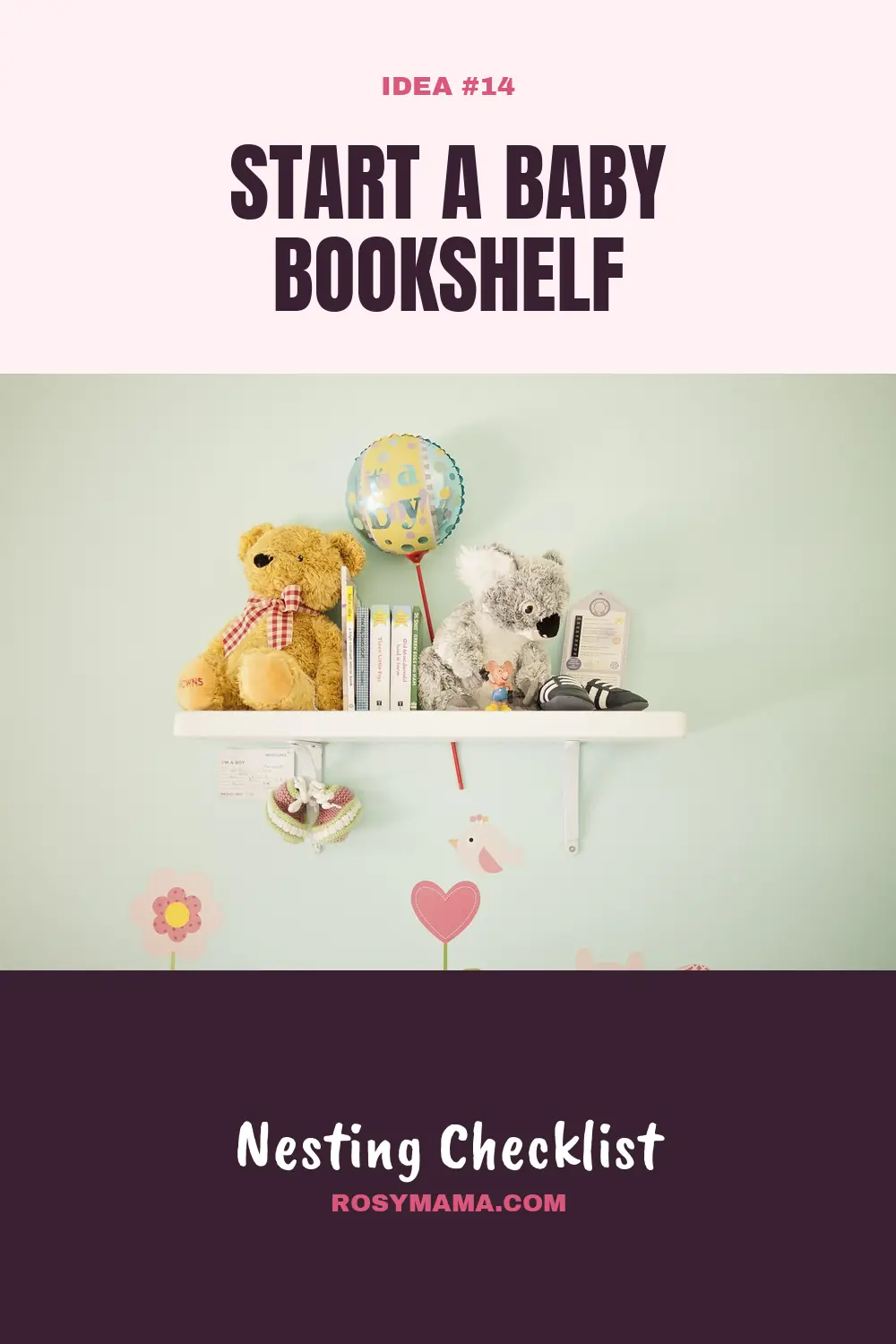
Reading aloud can start before birth. A wall shelf with a few books and a teddy bear or two is a sweet start. Mix sturdy board books with a couple of your own childhood favorites.
What you need
- A few board books
- A low, securely mounted shelf
- Books from friends or the library
Best for: Quiet evenings.
Try this: Read one book aloud each night.
15. Batch Cook Meals
 Save
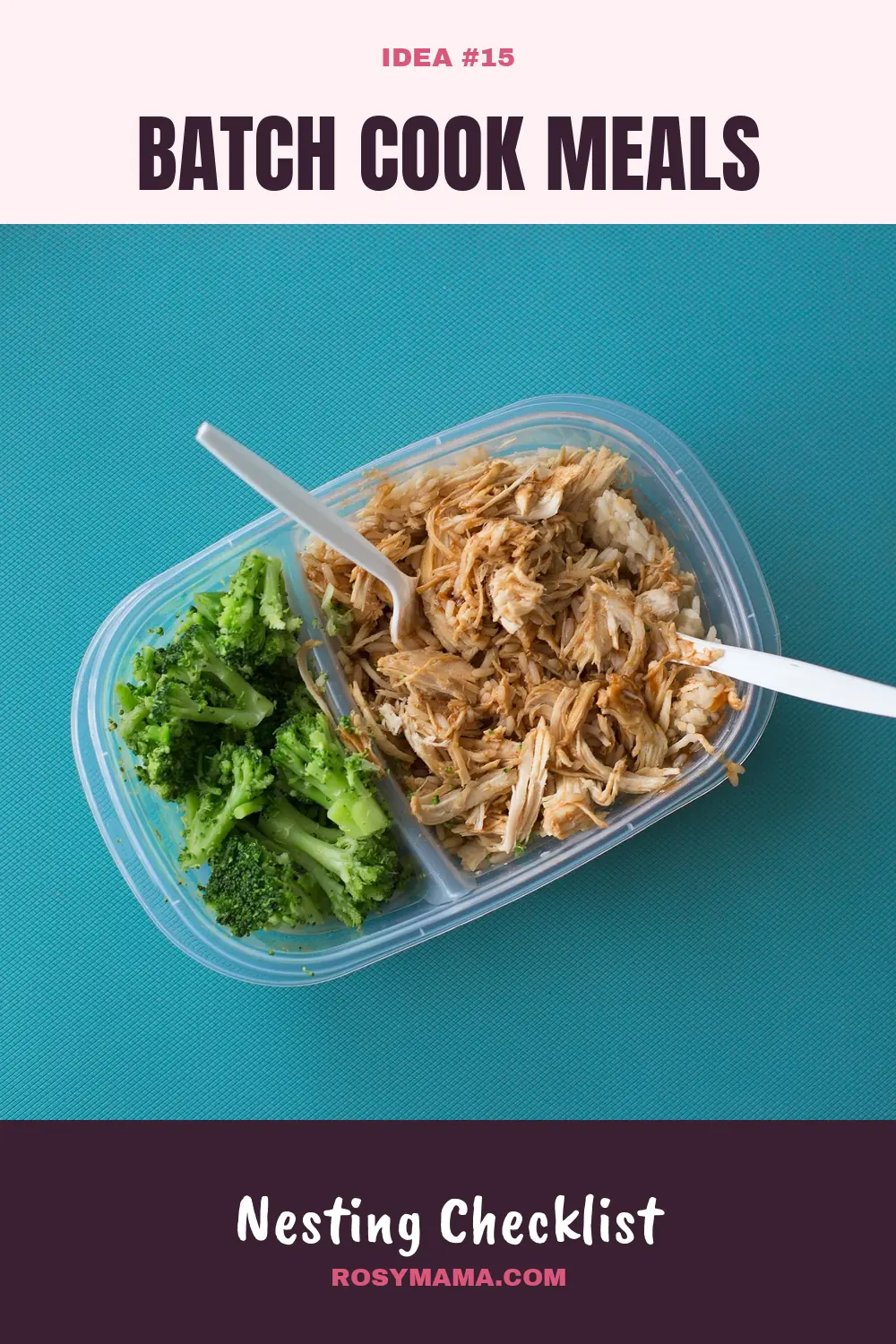
Future you will be grateful. The photo shows a divided container with shredded chicken and broccoli, one portion ready to eat. Cook a double batch and freeze single servings. For ideas, try these healthy pregnancy meals. Follow food safety rules for storing and reheating, and ask your doctor or midwife about any diet advice.
What you need
- Freezer-safe containers
- Masking tape and a marker for labels
- Meals you can eat with one hand
Best for: The last weeks of pregnancy.
Try this: Label with the date and what is inside.
16. Stock the Fridge
 Save
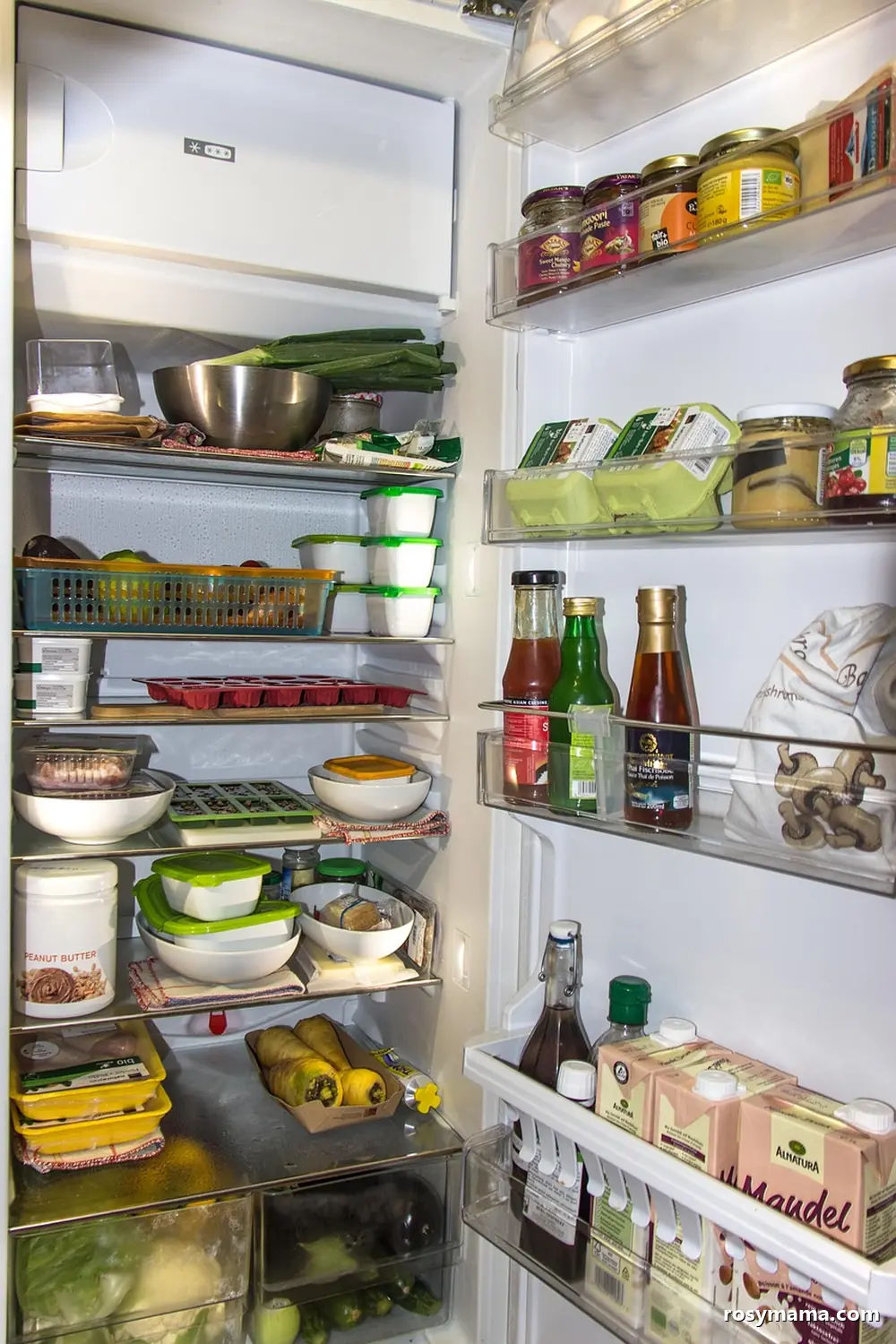
A tidy fridge makes it easy to eat well. The photo shows an open fridge with jars, bottles, containers and vegetables. Wipe the shelves, toss old items and stock easy things like fruit and yogurt.
What you need
- Easy snacks and breakfast foods
- Water or your favorite drinks
- Clear containers for leftovers
Best for: Easy meals in the first weeks.
Try this: Keep a list on the fridge for visitors who ask how to help.
How to Plan Your Nesting
Do not wait until the last week. A little each week is better than a rush. Many parents spread tasks across the last trimester and keep a flexible list. Pack your bag with this hospital bag checklist during the same weeks.
- Write it down. List the tasks that matter most to you.
- Group by room. Do all the kitchen jobs in one day.
- Ask for help. Say yes when people offer.
- Rest. Stop when you are tired, and take breaks between tasks.
- Leave room for change. You may not finish everything, and that is fine.
| When | Focus |
|---|---|
| Second trimester | Plan, shop and sort |
| Early third trimester | Set up the room and wash clothes |
| Last few weeks | Meals, fridge and hospital plans |
Check with your doctor or midwife about lifting, climbing ladders or using strong cleaners. Also ask about anything that feels unsafe or tiring.
FAQ
When does nesting start?
It varies. Some people feel the urge in the second trimester, and others get it in the last weeks. There is no set date.
Is nesting normal?
Yes. Many expecting parents feel a strong urge to clean and organize. If it feels overwhelming, talk to your doctor or midwife.
What should I do first?
Start with the tasks that give you peace of mind, like washing baby clothes and clearing a space for baby's things.
Can I skip nesting?
Absolutely. A calm home helps, but a perfect one is not required. Baby needs love, food and a safe place to sleep.
About Rosie Hart
A mom of two who writes about pregnancy style, celebrations and the everyday side of expecting, with health topics checked against trusted medical sources.
Learn more about Rosie →